Rainwater Harvesting for Commercial and Industrial Applications
Investigating whether a commercial rainwater harvesting program is right for your business? Rainwater Management Solutions has developed resources and case studies to help you make an informed decision regarding a commercial rainwater collection system.
Commercial Rainwater Harvesting Applications
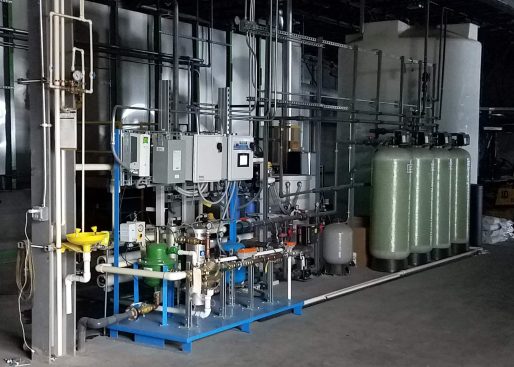
Commercial rainwater collection systems efficiently collect large amounts of rainwater. repurposing that water into a variety of applications. Rainwater harvesting can help businesses conserve millions of gallons of water over the lifetime of their system, saving them money at the same time.
By utilizing large-scale rainwater harvesting systems, companies can manage stormwater runoff onsite by alleviating a large section of impervious areas from their management plan. Rainwater harvesting isn’t just an environmentally sound thing to do, it’s economically beneficial as well. Here are a few of the applications for commercial rainwater harvesting systems:
Stormwater Management

Harvesting rainwater is also an integral part of Stormwater BMPs. By collecting rainwater from buildings and putting it to use, you reduce the runoff from these facilities and decrease your impervious surface area which can reduce the size of any potential onsite detention/retention. A commercial rainwater harvesting system can also be integrated with a stormwater reuse system for a more robust water conservation effort.
Fire Suppression

Large commercial buildings can utilize rainwater harvesting to store large amounts of water for automated fire suppression systems and other emergency situations.
Irrigation and Agriculture
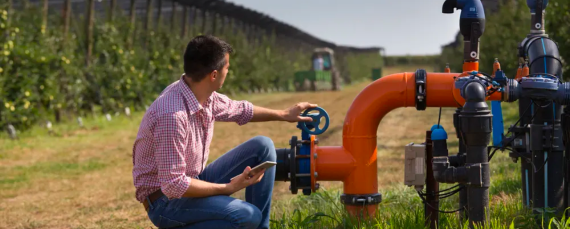
Using rainwater harvesting, commercial buildings can replace municipal water for landscape irrigation. As businesses implement the design of green spaces around and in their buildings, rainwater can be a valuable resource for helping keep those areas green and reduce costs by supplementing or replacing the municipal source. Harvested rainwater can also be a great resource for large agricultural businesses (greenhouses/grow-houses). Having a pure, “organic” source of water to feed your crops is much better for them than chemically treated municipal water and reduces your monthly watering costs.
Fixture Flushing

Flushing toilets/urinals can be one of the largest uses of municipal water in a large office building. By using clean filtered water from commercial rainwater collection businesses can replace potable municipal water, reduce their monthly costs, and conserve water at the same time.
Cooling Towers
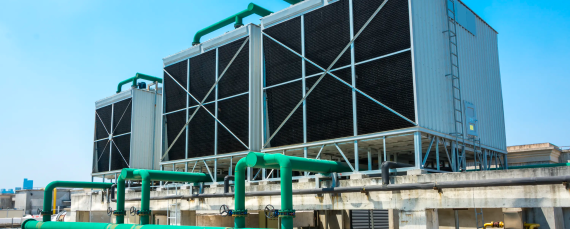
Another heavy user of water in large commercial buildings is cooling towers. Commercial rainwater harvesting can be used as make-up water to replace what is lost during evaporation and blow down of most cooling systems. Rainwater is also naturally soft water, which means that it is more efficient as it can cycle more frequently. This reduces the amount of chemicals needed to treat municipal water for hardness and can help prolong the life of the cooling system.
Vehicle and Equipment Washing

Because rainwater is naturally soft, it results in little to no water spotting. This makes it excellent for washing vehicles. Whether you have a large car dealership or transit facility, using large-scale rainwater harvesting systems for vehicle washing reduces your water costs and saves on long-term maintenance/replacement of windshields and paint.
Laundry
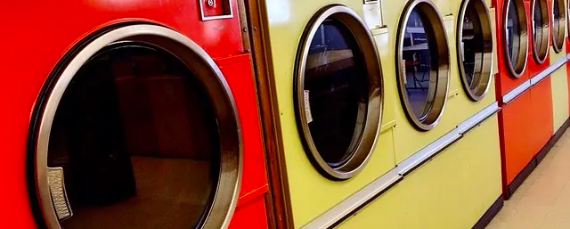
Harvested rainwater is a great alternative to municipal water for commercial or large residential laundry facilities such as those found at hotels, apartment complexes, and dormitories. Commercial rainwater collection systems reduce water costs for the building and decrease required maintenance on machines as the naturally soft rainwater will cause less scale buildup.
Industrial
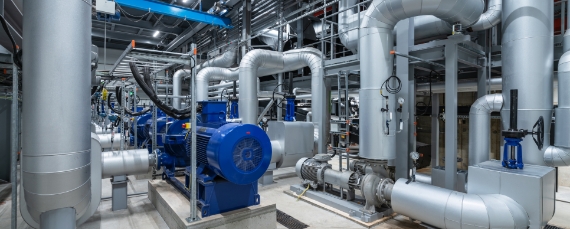
Rainwater harvesting can provide water for a variety of industrial applications. Rainwater is used frequently in boiler systems and thermal HVAC systems as make-up water. Additionally, blowdown treatment systems and the automotive industry all have high demands for process water free of contaminants.
Things to consider when designing a large-scale commercial rainwater collection system:
- Identifying intended uses for a water demand analysis.
- Roof catchment Area and Surface Type
- Rainfall Data
- Selecting the right tank size based on location, uses, and daily rainfall data.
- Placement of collection cistern, above or below ground.
- Pre-Filtration – selecting the right size based on roof area, flow rate, and local regulations.
- Post- Tank Filtration and Disinfection
- Backup Water Integration
- Monitoring and Automations – monitoring the system’s water level, pressures, flow rates, etc. and how this is integrated into the building’s automation systems (BAS).
- Regulatory Compliance and Certification Goals
- Retrofitting Rainwater Harvesting Systems into Existing Buildings
RMS assists in the design process starting at the first stage all the way through the final commissioning and training of the system.
Design Build Services for Commercial Rainwater Harvesting
When it comes to rainwater harvesting, commercial buildings present unique challenges. The design of your structure can vary, difficulties can arise from storage and a host of other concerns can develop. Rainwater Management Solutions alleviates those concerns with our host of design build services for commercial rainwater collection systems.
For Engineers & Architects
- Development of Performance Specifications
- Equipment and System Selections
- Engineering and Computer-Aided Design
- Full-Scale 3D Modeling
- Cost Analysis
- Exclusive Tank Sizing Analytics
- Design Analytics and Consulting
- Packaged Solutions
For Contractors & Property Owners
- Pre-Plumbed and Skid-Mounted Labeled Systems
- Provide Electrical and Control Wiring Diagrams
- Onsite Startup and Training Services
- Provide Full-Service Maintenance for Installed RMS Systems
Reduce Water Costs and Improve Sustainability
Retrofitting a rainwater harvesting system into an existing building is an effective way to reduce water costs, improve sustainability, and comply with green building standards. While it requires careful planning, modern solutions make integration easier than ever.
Need help designing a commercial system?
Fill out our Commercial System Design Form and submit it to us. We will look at your selections and work with you to get the best components for your system. Residential design inquiries should be directed to our tank sizing form.
Explore Our Resources
Explore our technical expertise through our resource library of technical files & drawings.
Learning Center
Learn more about rainwater harvesting through our blogs, articles, workshops, and more.
Frequently Asked Questions
Explore answers to common questions about our commercial rainwater harvesting systems and design. From understanding how these systems work to choosing the best design for your needs, this FAQ covers essential information.
How do you size a commercial rainwater collection system for large buildings?
Sizing begins with evaluating your roof catchment area, local annual rainfall, and the intended water usage. RMS also factors in storage, detention requirements, and peak demand to recommend an optimal size for your commercial rainwater collection system.
Can a commercial rainwater harvesting system integrate with existing plumbing and HVAC systems?
Yes, RMS can assist in the design work to integrate your commercial rainwater harvesting system with toilets, cooling towers, irrigation, or other systems. Always included in the design are proper backflow prevention, control valves, and treatment stages to ensure safe and compliant operation. There can be unique challenges for existing buildings when compared to new-builds. It’s important to work closely with the engineers and designers of the system to ensure AHJ compliance.
Are commercial rainwater harvesting systems eligible for rebates or incentives?
In many jurisdictions, yes, incentives, rebates, or tax credits are available for graywater and rainwater reuse systems. RMS can help you identify local programs and estimate ROI for your commercial rainwater harvesting project.
What treatment or disinfection is required for a commercial rainwater harvesting system?
Treatment requirements depend on the end use and local code requirements. For nonpotable uses, such as irrigation or toilet flushing, filtration plus UV or other disinfection methods are often used to comply with health or building codes. Special uses may require specialty treatments to achieve desired quality and AHJ compliance.
How does my business monitor performance or system health in our commercial rainwater collection system?
RMS’ custom in-house built controllers allow the end user to easily monitor system status. We can include sensors, alarms, telemetry, and dashboards to track tank levels, pump cycles, water quality, and flow. This enables proactive maintenance and ensures your commercial rainwater collection system runs reliably.