Featured Projects
At Rainwater Management Solutions, we have had the privilege of delivering tailored services and innovative solutions across a diverse array of rainwater harvesting applications. Over the years, we’ve collaborated with a wide range of clients, including industrial, commercial, and residential developers and owners, agricultural enterprises, as well as institutional and government facilities. Additionally, we’ve served individual end users, providing sustainable water management systems that meet both practical and environmental needs. Our extensive experience allows us to approach each project with a deep understanding of our clients’ unique requirements, ensuring optimized, efficient, and sustainable solutions every time.
Nike ConnECt Bethlehem, Pennsylvania
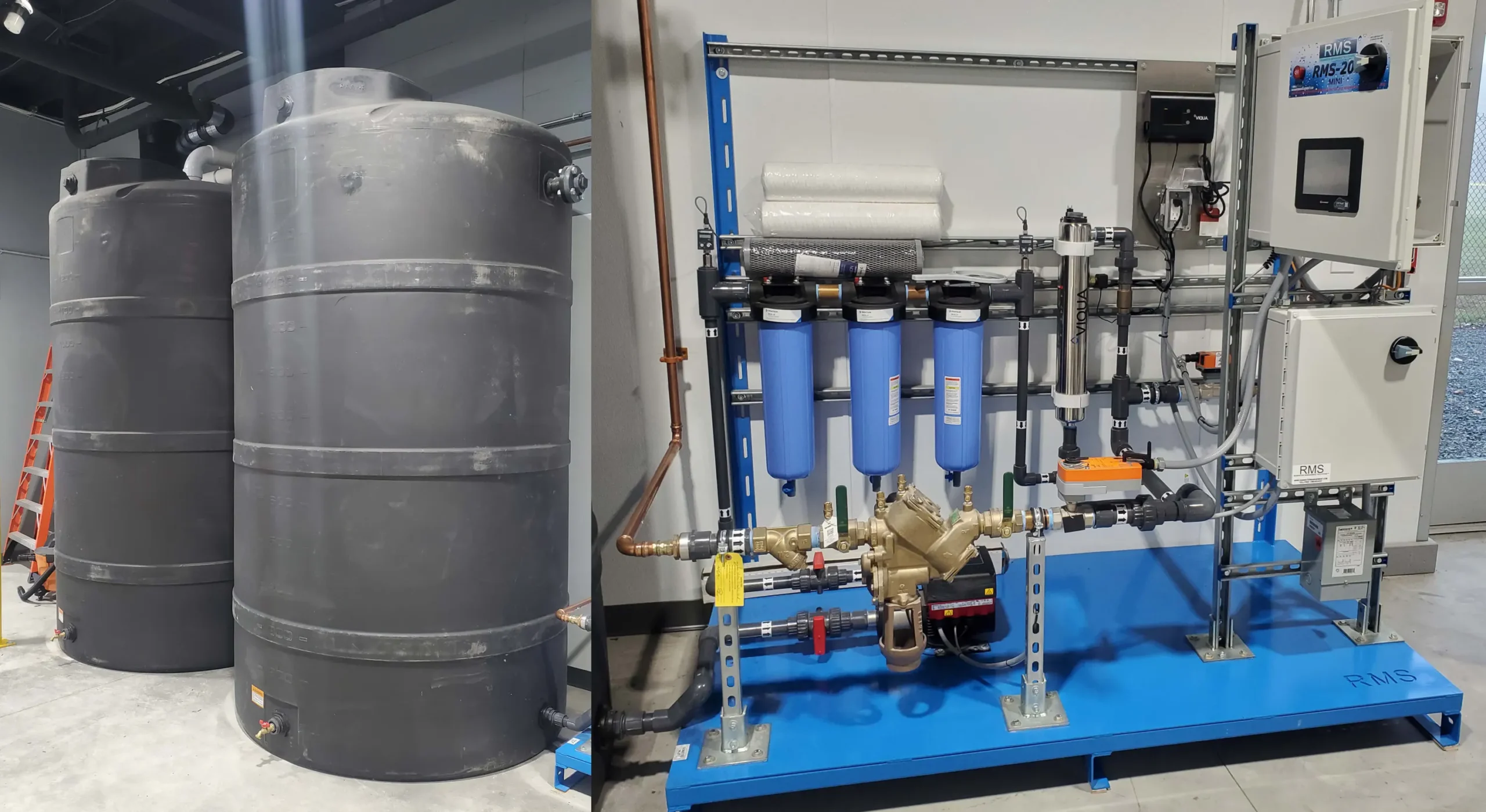
Nike’s Regional Service Center Distribution, ConnECt building collects rainwaterthrough a WFF300 Vortex Filter where it is then conveyed to two 5,000-gallon storage tanks. The water is then pumped through RMS’ Treatment Skid before being stored in a day tank where the water is ready for use. The collected rainwater reduces potable water use by supplying water to the building’s water closets.
UA Local 130Chicago, Illinois
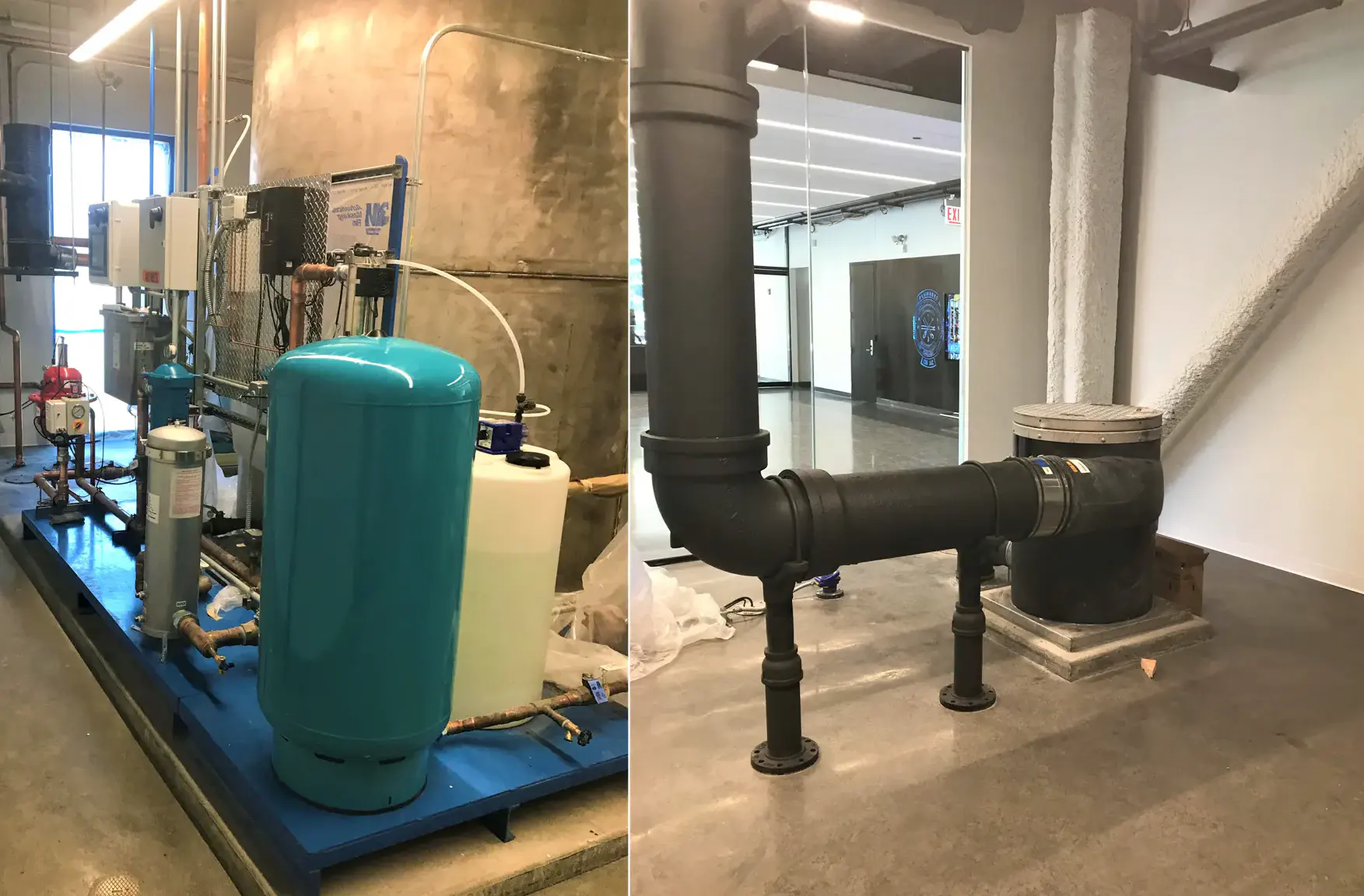
The Local 130 Plumber’s Union wanted to provide an exceptional training facility while showcasing water conservation. RMS was selected to provide a graywater reuse system alongside a rainwater reclamation system. Water is collected from handsinks and showers and reused for toilet flushing and irrigation around the facility alongside the collected rainwater.
LiUNA The Laborers School El Monte, California
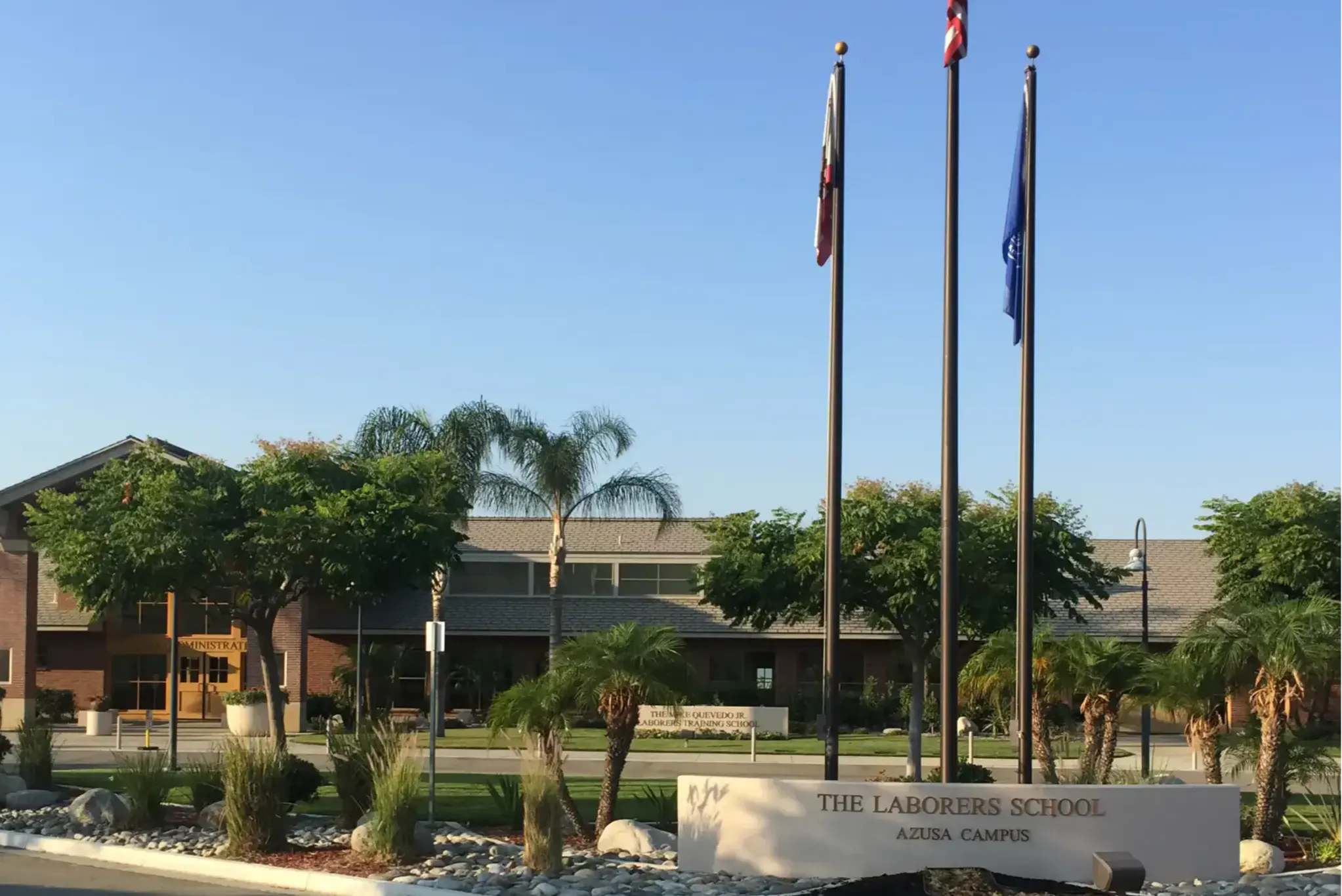
RMS paired with ARCSA (American Rainwater Catchment System Association) to create a rainwater harvesting system that is used for hands-on training. The system included a below ground tank, WFF300 Vortex Filter, post-tank filtration, and backup water supply equipment. The system is used to train laborers how to install and maintain rainwater catchment systems.
USDOT Volpe Exchange Cambridge, Massachusetts
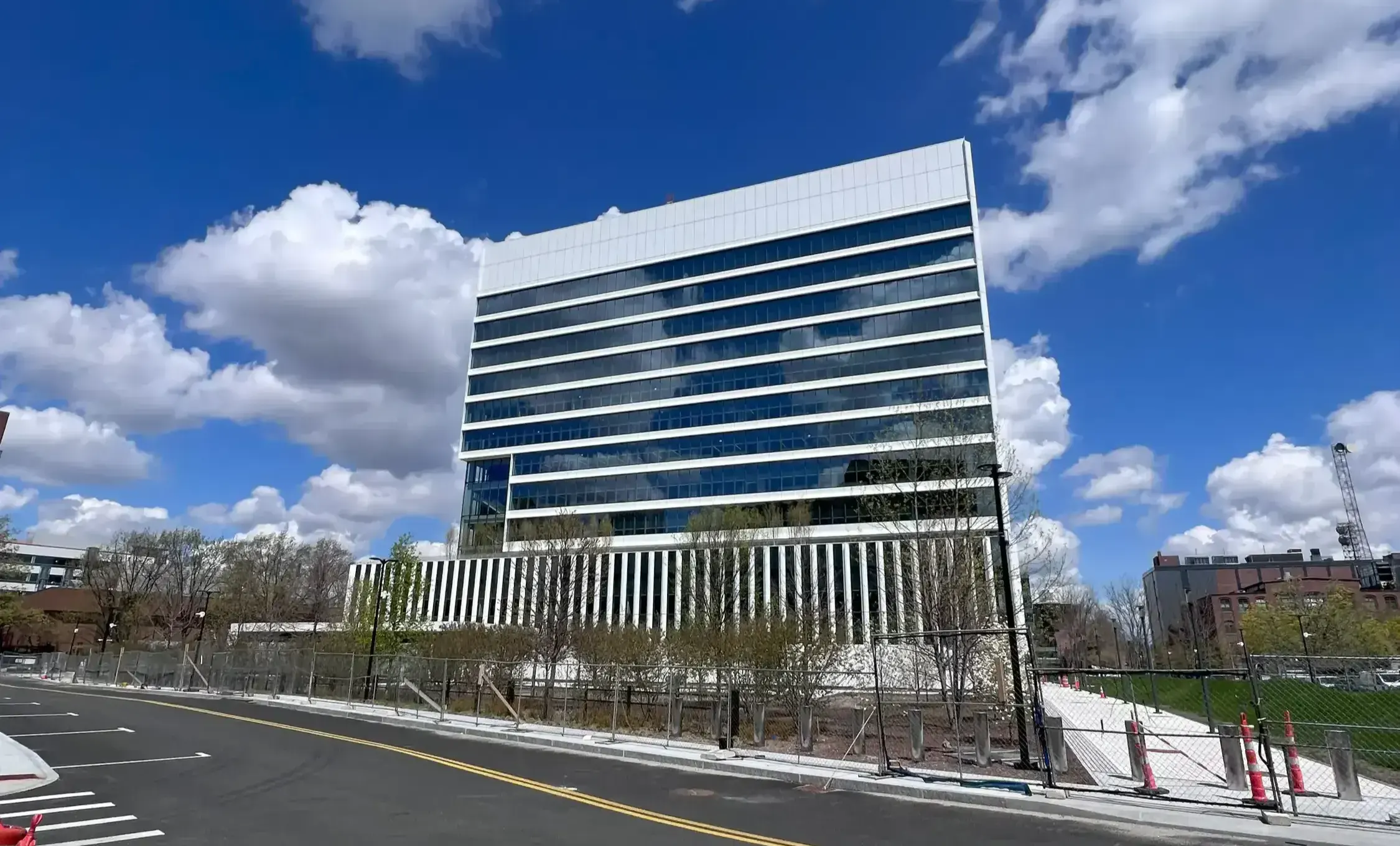
This unique project utilizes a custom-built storage tank suitable for 15,000 gallons of storage. Rainwater from the rooftop is conveyed to two WFF300 Vortex Filters before being being stored and pumped through an extensive treatment process prior to entering the irrigation system.
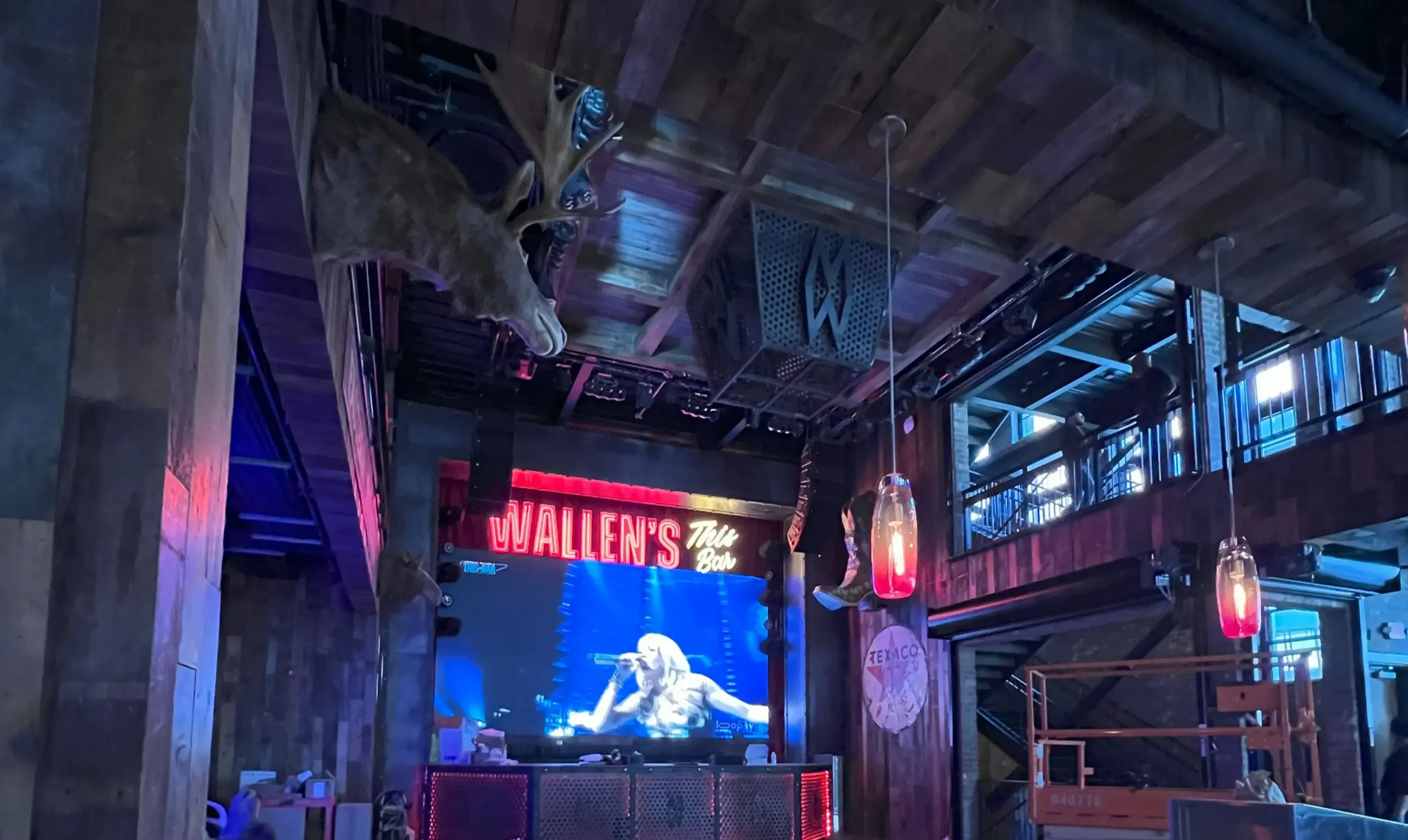
Morgan Wallen's This Bar Nashville, Tennessee
To meet Nashville Metro’s BMP requirements, water is captured from the roof and filtered through a WISY WFF150 Vortex Filter into a 20′, 2,800-gallon ADS Cistern. The water is then treated through an RMS treatment skid and pumped to the building’s fixtures. Due to elevations, an additional cistern is installed and two dewatering pumps pump the overflow to the storm line.
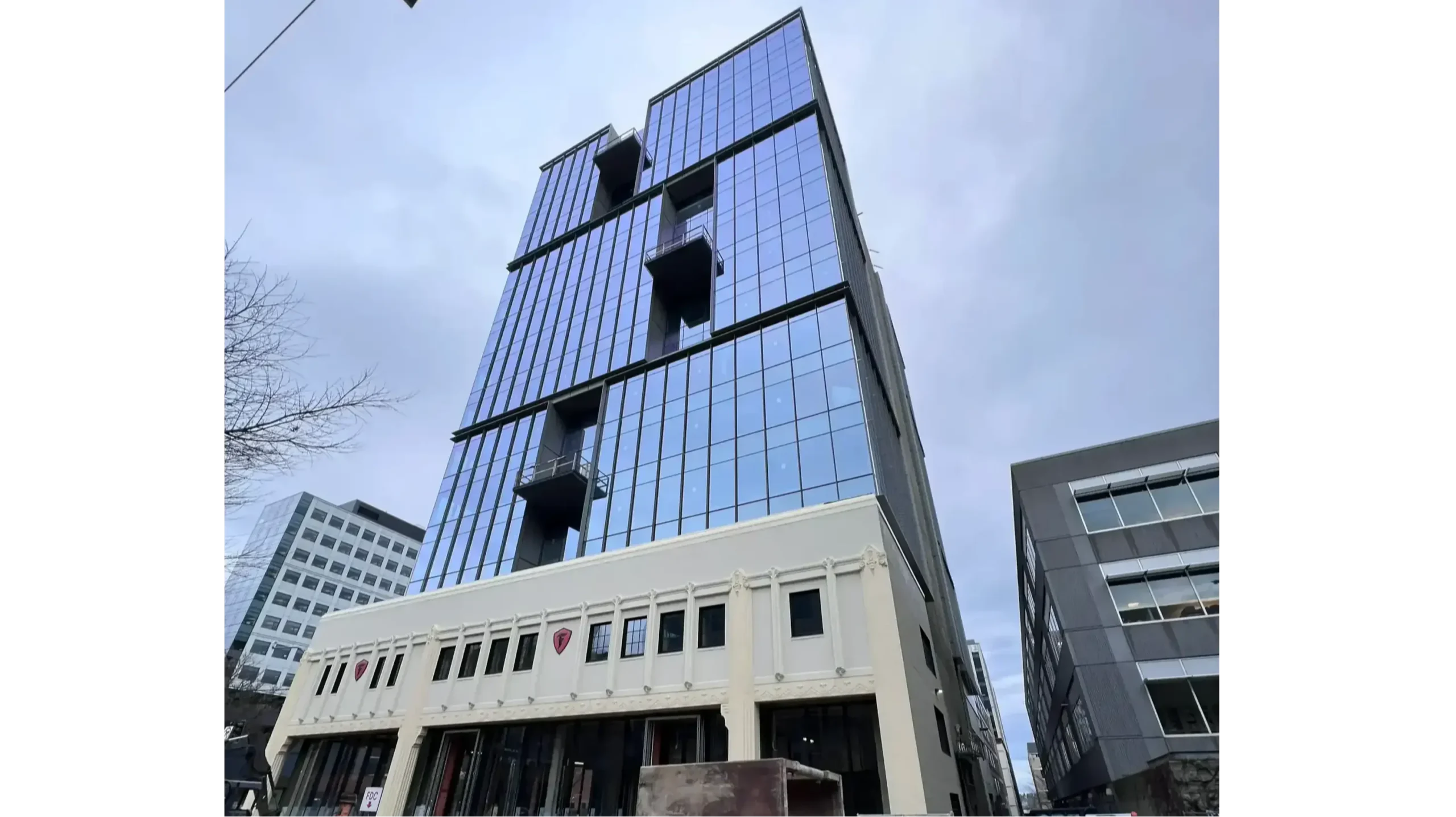
400 Westlake Avenue NSeattle, Washington
Following the Seattle Alternate Water System Guidelines, RMS provided a rainwater and graywater collection and reuse system to reduce the use of potable municiple water. This has proven to provide cost savings to the building owner alongside creating a sustainable and efficient building for the future.
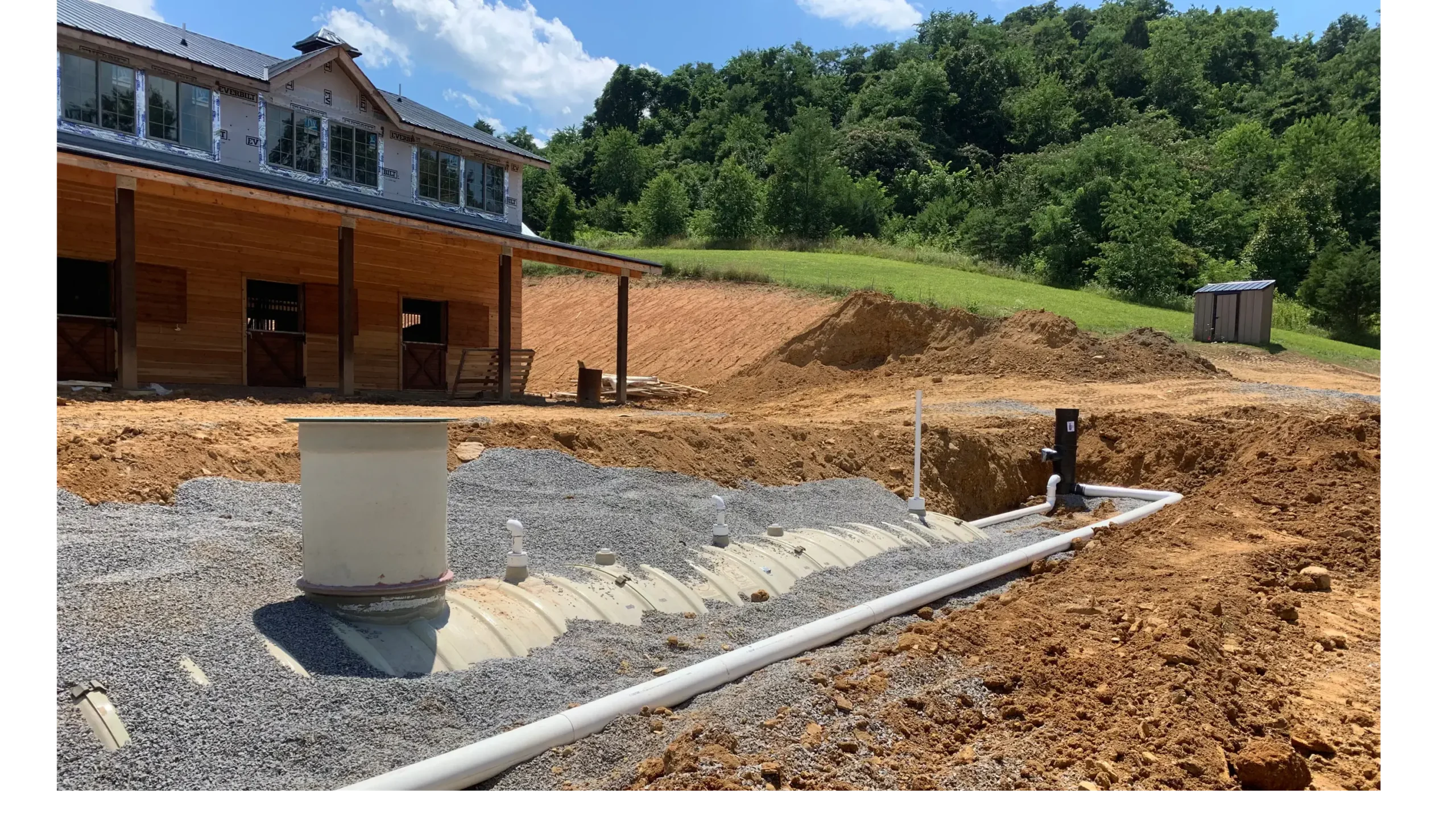
Flat Hat Horse Farm & ResidenceElliston, Virginia
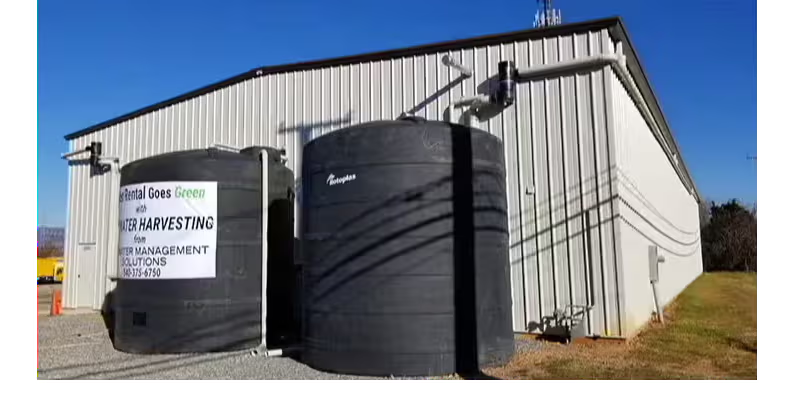
A newly built, local horse farm with outdoor arena and residence onsite decided to not let their rainwater go to waste. Rather than building an open stormwater pond, the owner decided to design and implement a rainwater collection system that fed both his horses and his family. The water is stored in a 12,000-gallon FRP tank after being pre-filtered by a WFF150 Vortex Filter. The post-tank treatment is located inside the home for easy maintenance.
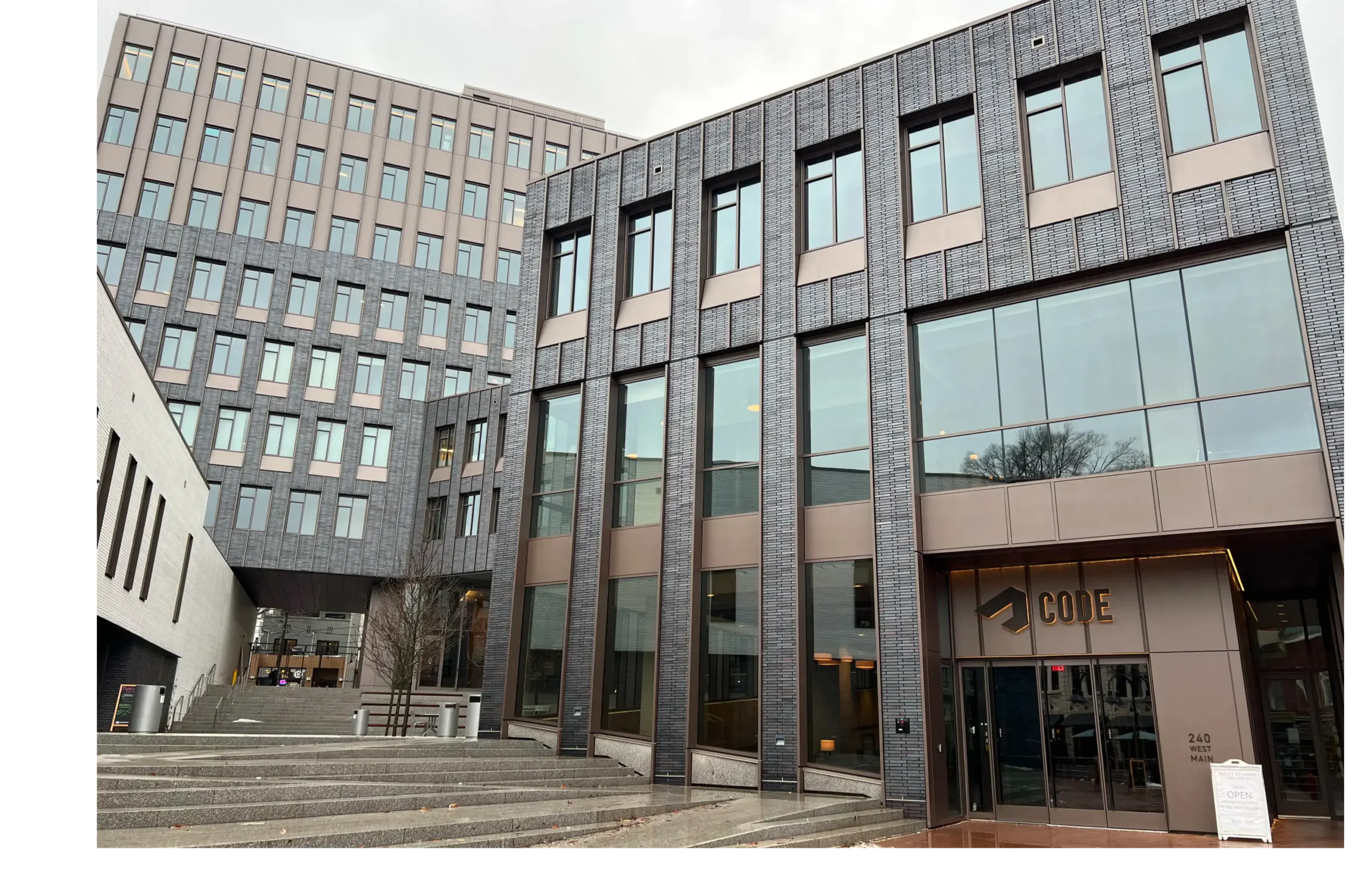
CODE Technology Center Charlottesville, Virginia
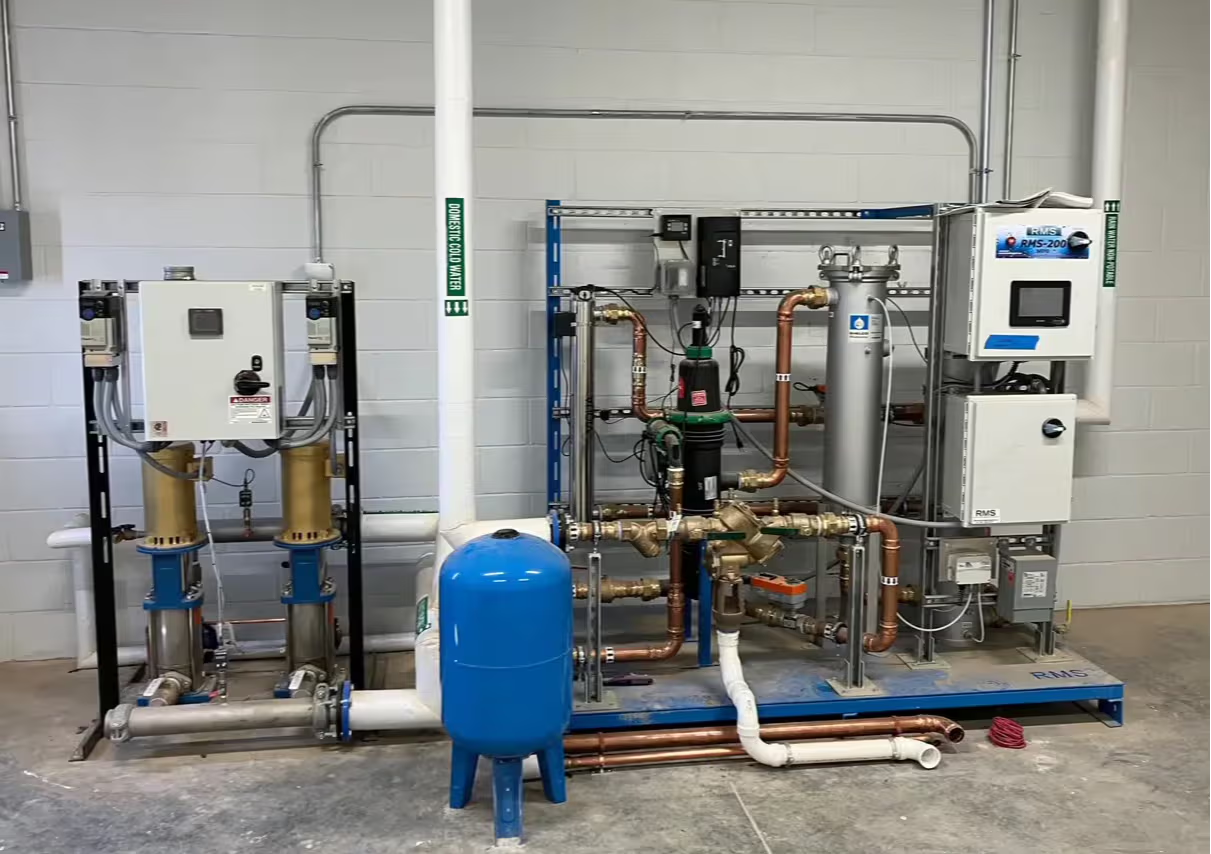
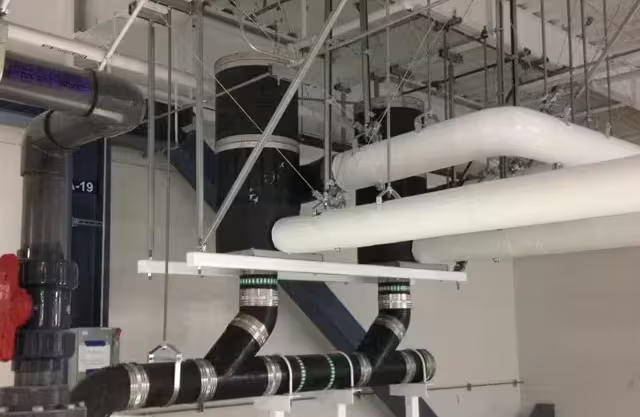
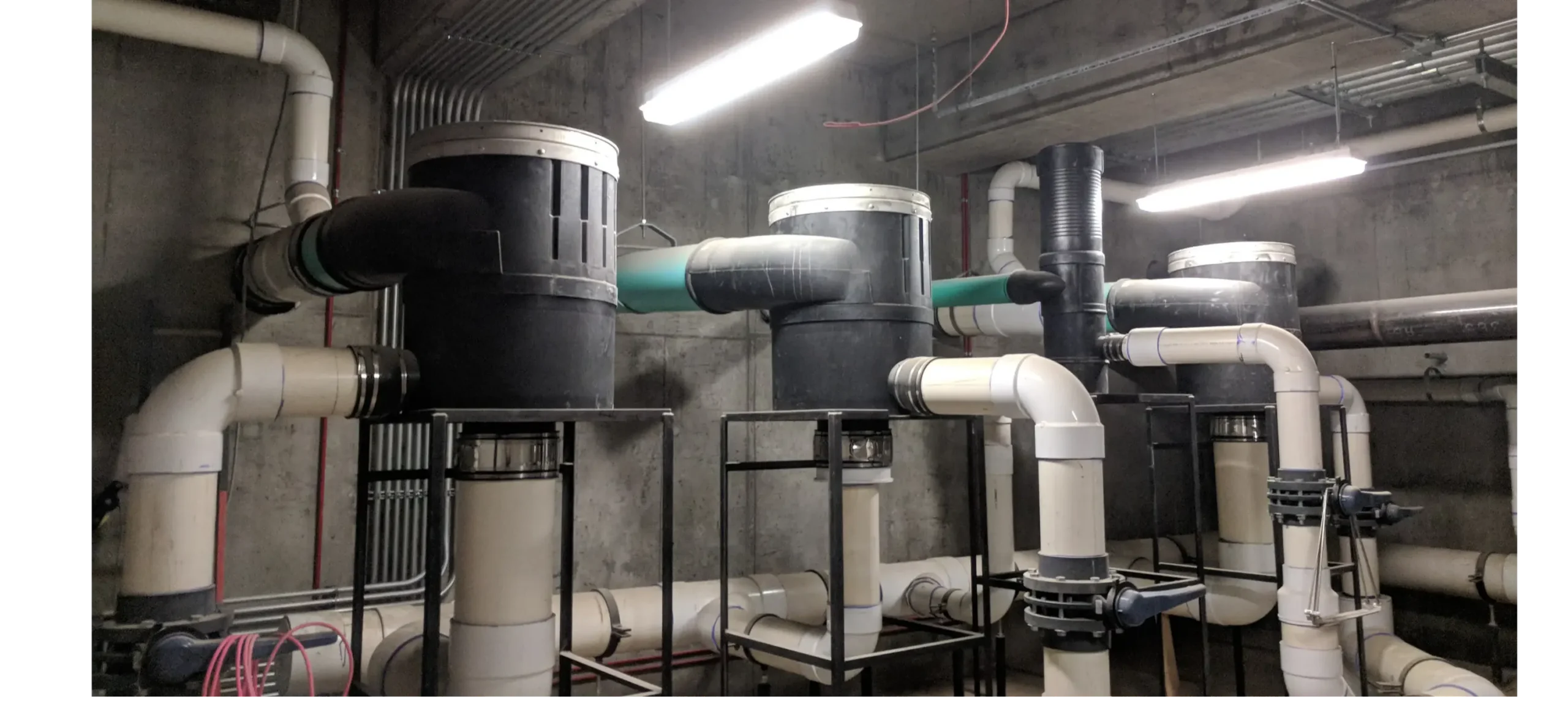
Rainwater is collected and pre-filtered using a custom made High Volume Separator. The water is pumped from the cistern, through the RMS filtration skid, and to irrigation. The filtration skid housed the flooded suction pump, variable frequency drive, self-cleaning backwash filter, and RMS 200 Controller.
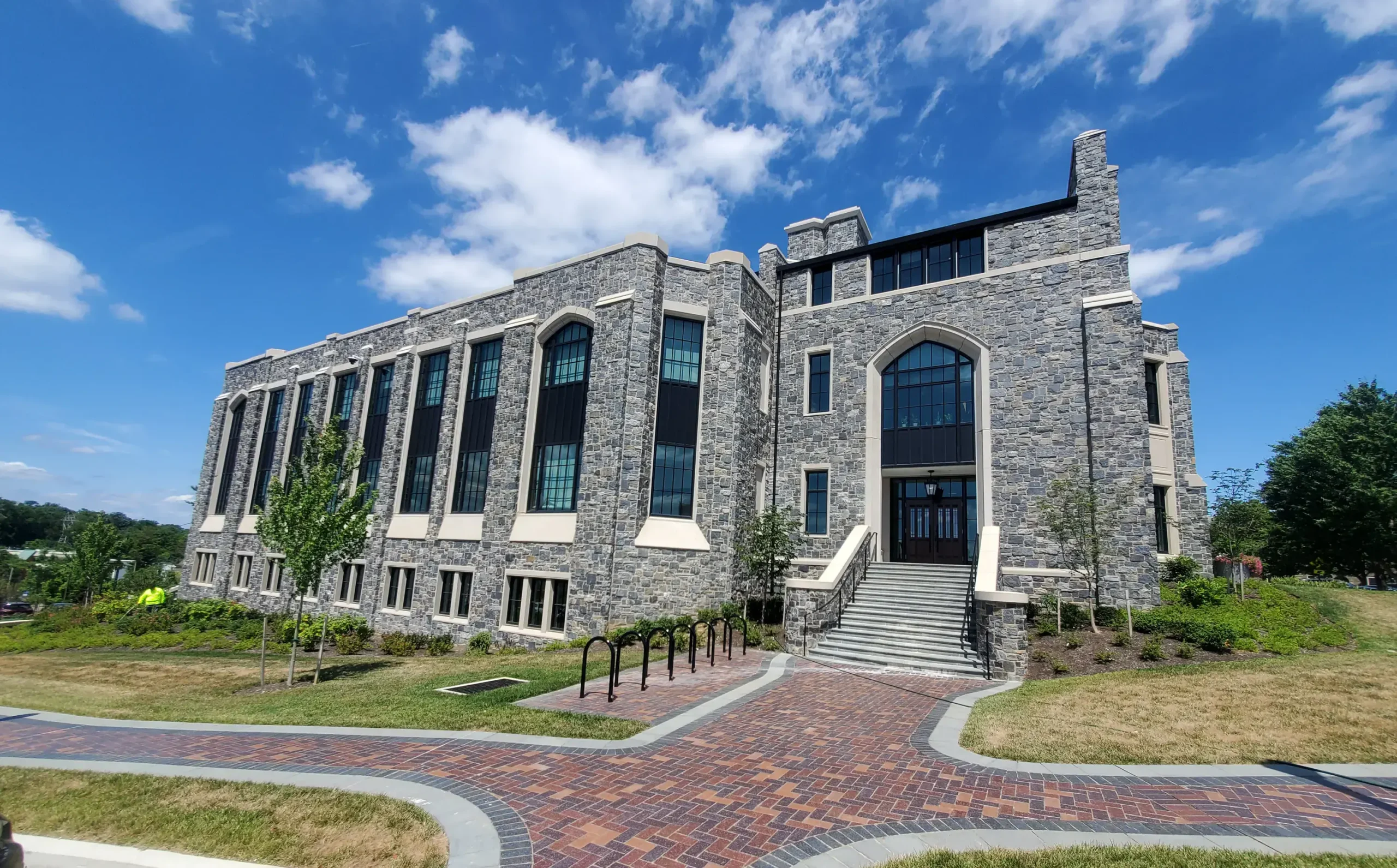
Villanova University CEER Villanova, Pennsylvania
This unique systems utilizes a single RMS High Volume Separator to filter the rainwater before being stored in two 20,000-gallon belowground FRP Tanks. Using duplex submersible pumps, the rainwater is pumped through the RMS treatment skid, injected with chlorine and then stored in a day tank until needed. When needed, the treated water is pumped and injected with dye to the building’s water closets.
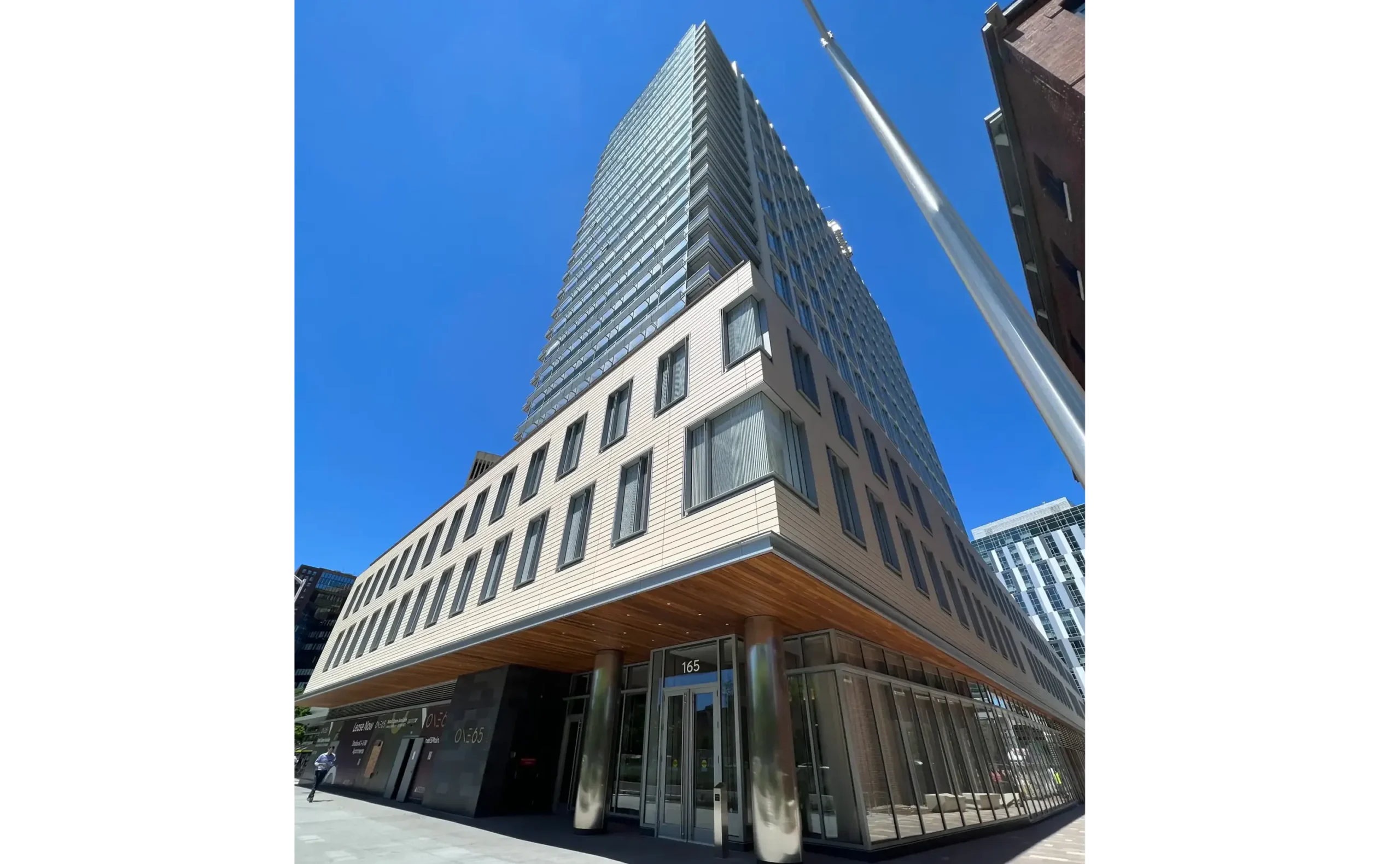
One65 Main Apartments Cambridge, Massachusetts
Located in the heart of Cambridge, One65 Main Apartments collects and reuses rainwater for cooling tower makeup and irrigation within and around the building. The rainwater is filtered using a single WFF300 Vortex Filter then pumped through RMS’ treatment skid before being stored again until needed.
Carlisle Construction Materials Sikeston, Missouri
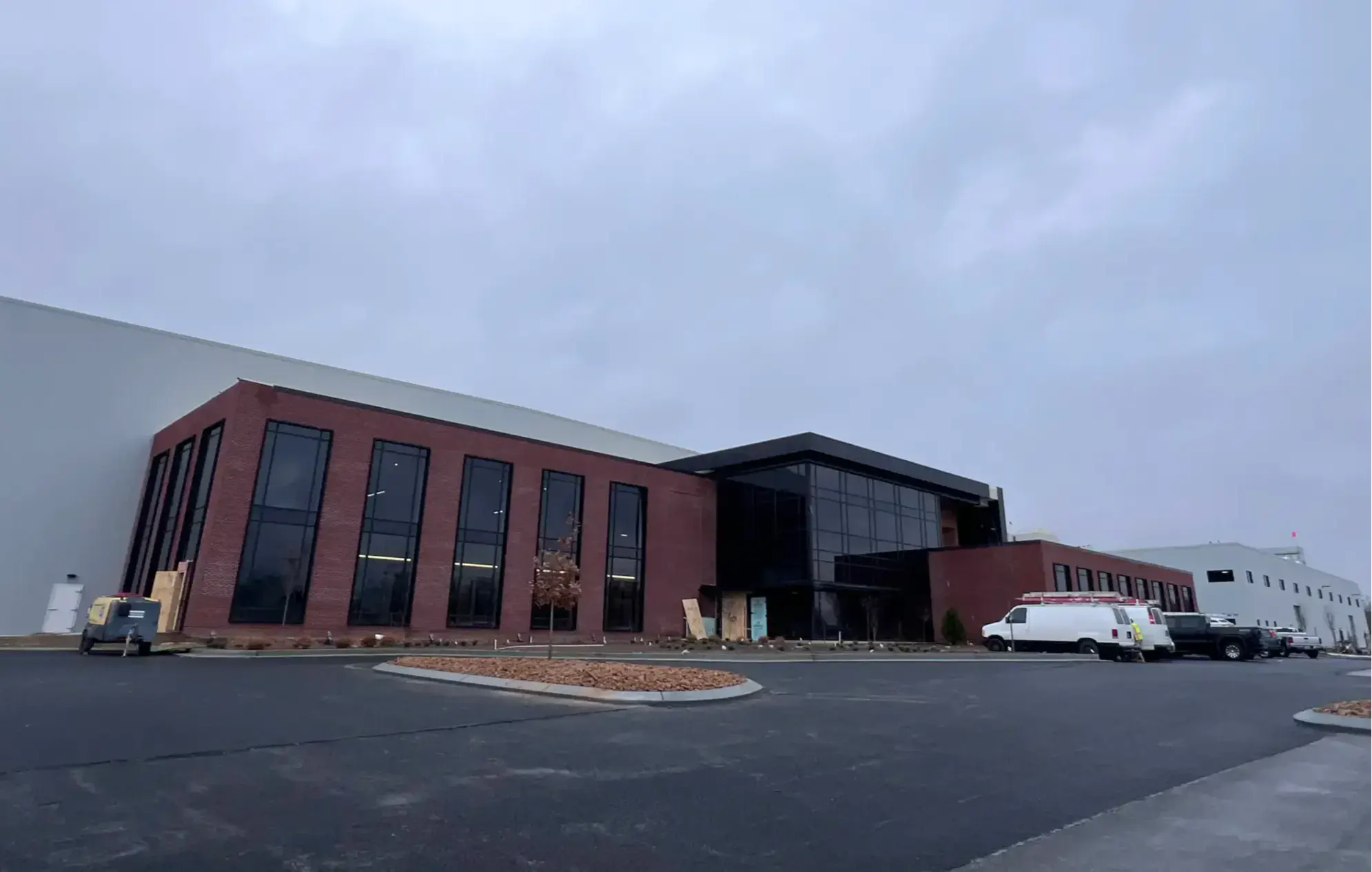
The new 500,000 square-foot new production facility is the first manufacturing facility to receive LEED Platinum v4 in North America. The building opened in June 2023 and collects rainwater in a 25,000-gallon cistern. The use of rainwater to supplement non-potable use helped the building achieve LEED Platinum status and reduce potable usage for toilet flushing and irrigation.
Capitol Region Watershed District Saint Paul, Minnesota
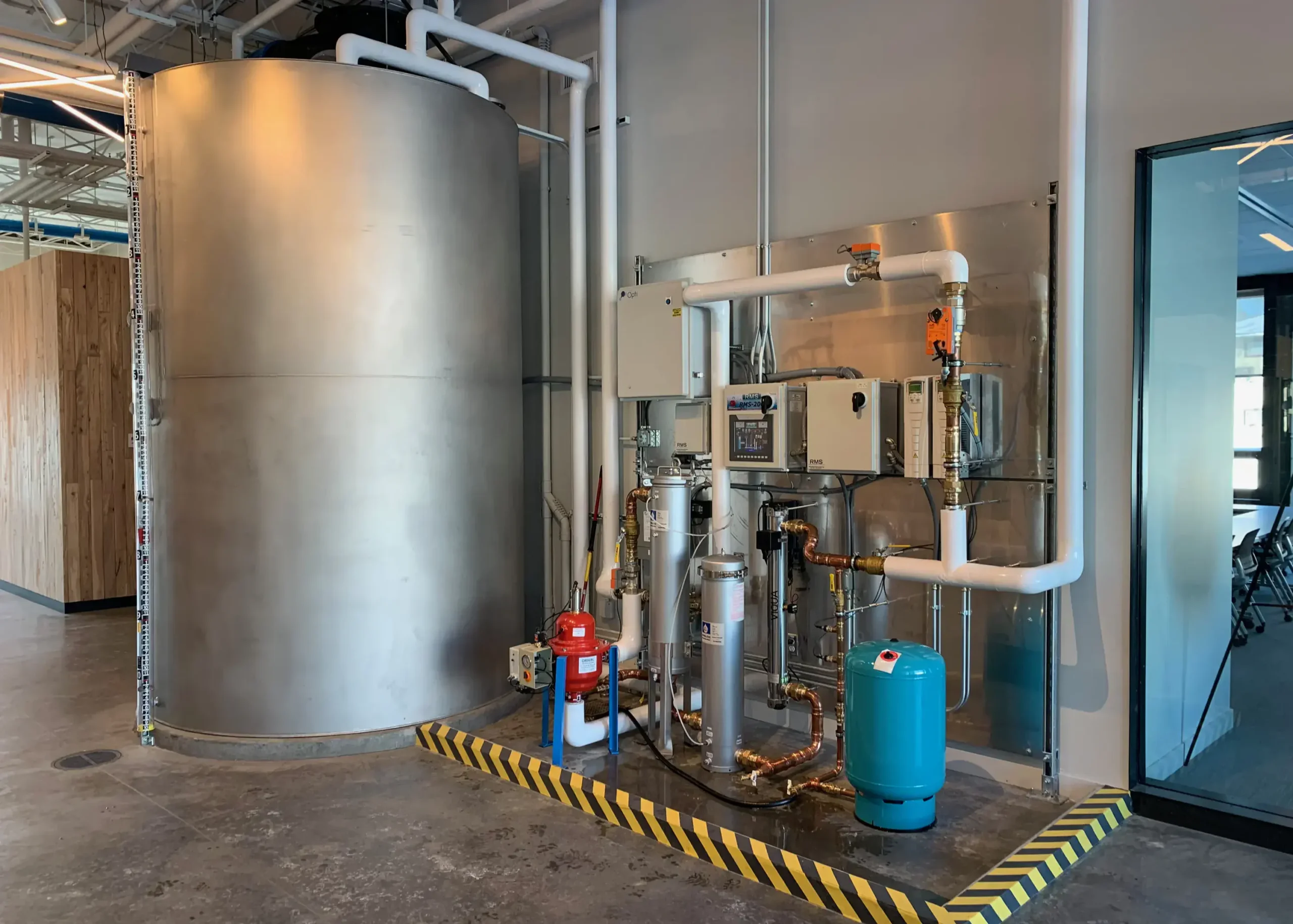
The facility collected rainwater from a 14,500 square-foot roof and uses the water for non-potable applications such as toilet flushing, outdoor spigots, and the indoor water feature. The 3,000 gallon storage tank is located indoors along side the WFF300 Vortex Filter and treatment equipment as a display showing the district’s dedication to sustainability and environmental integrity.
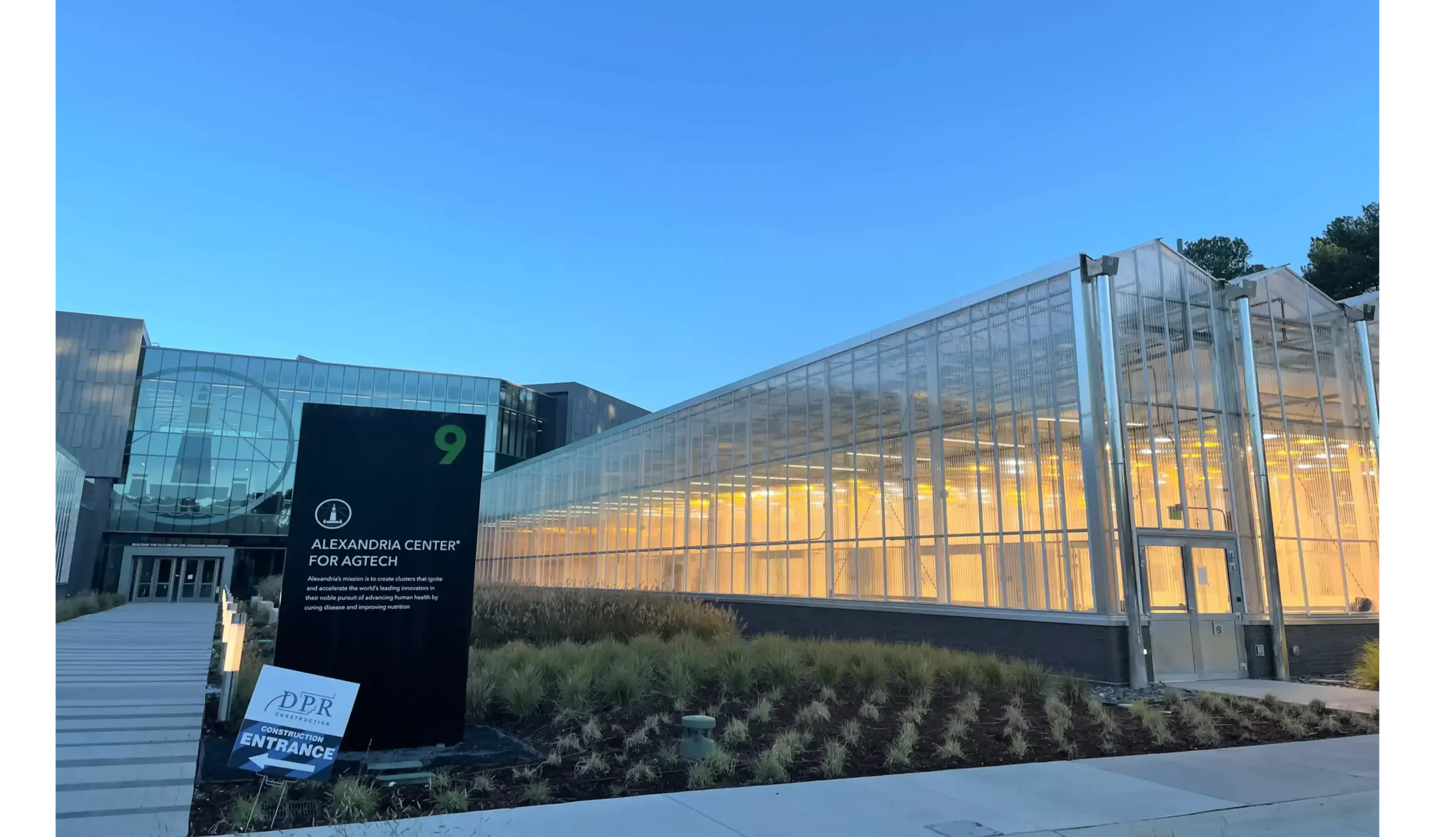
Kalamazoo Valley Community College Kalamazoo, Michigan
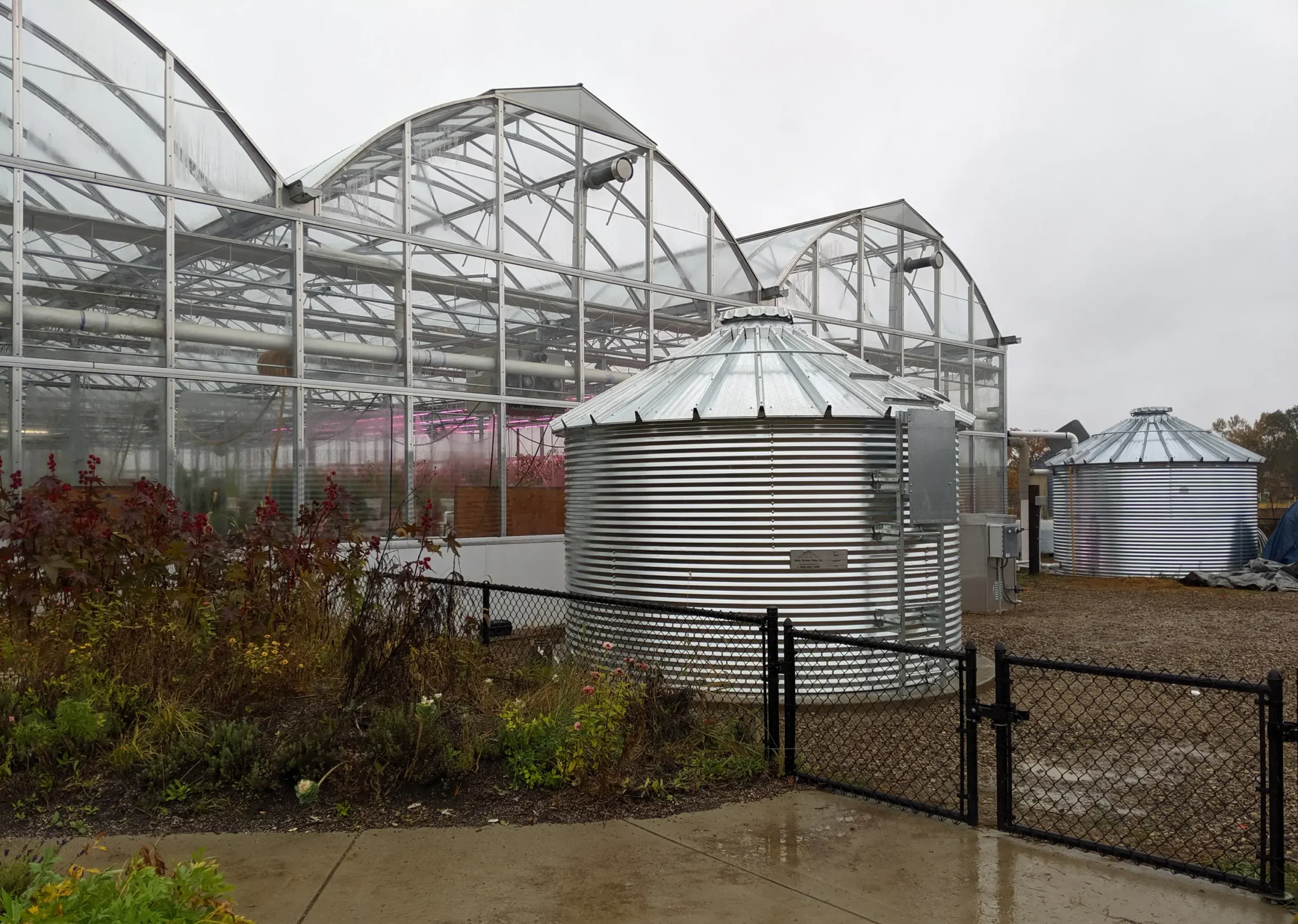
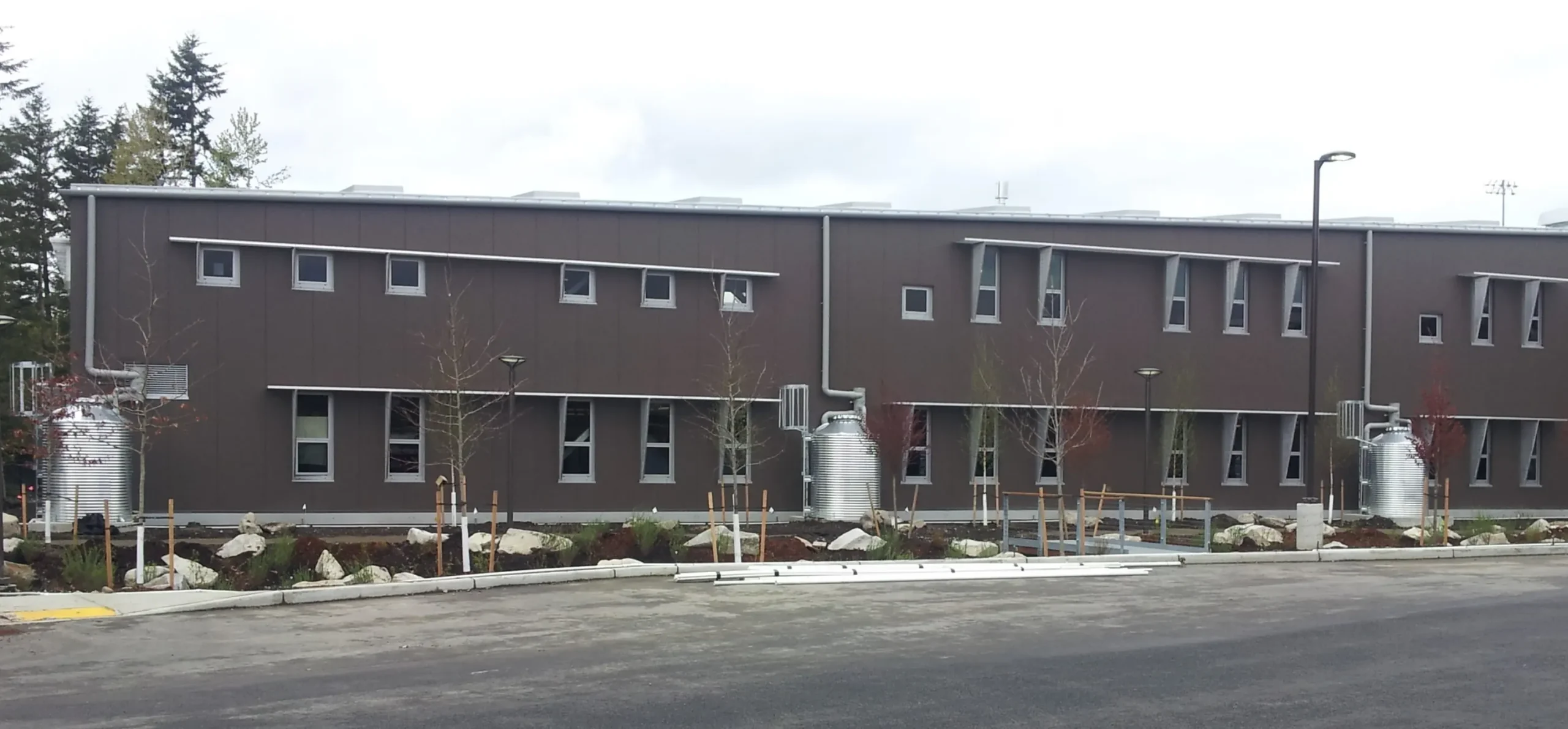
The large greenhouses located on the Kalamazoo Valley Community College campus uses collected rainwater for their irrigating. This reduces potable water usage and provides a preferred water quality for the plants within. Corrugated metal tanks are used for storage and provided a particular aesthetic to keep the campus looking exception for staff, visitors, and students.
SK Food GroupMcDonald, Tennessee
The collected rainwater is filtered through a 24″ High Volume Separator before entering a 30,000-gallon below ground fiberglass reinforced plastic (FRP) tank. The water is treated using the RMS-RWF-50 Filtration Skid before being stored in a 1,500-gallon day tank. The treated water will be pumped to flushing fixtures as demand requires via booster pump skid.
Cleveland Metro Parks Zoo Cleveland, Ohio
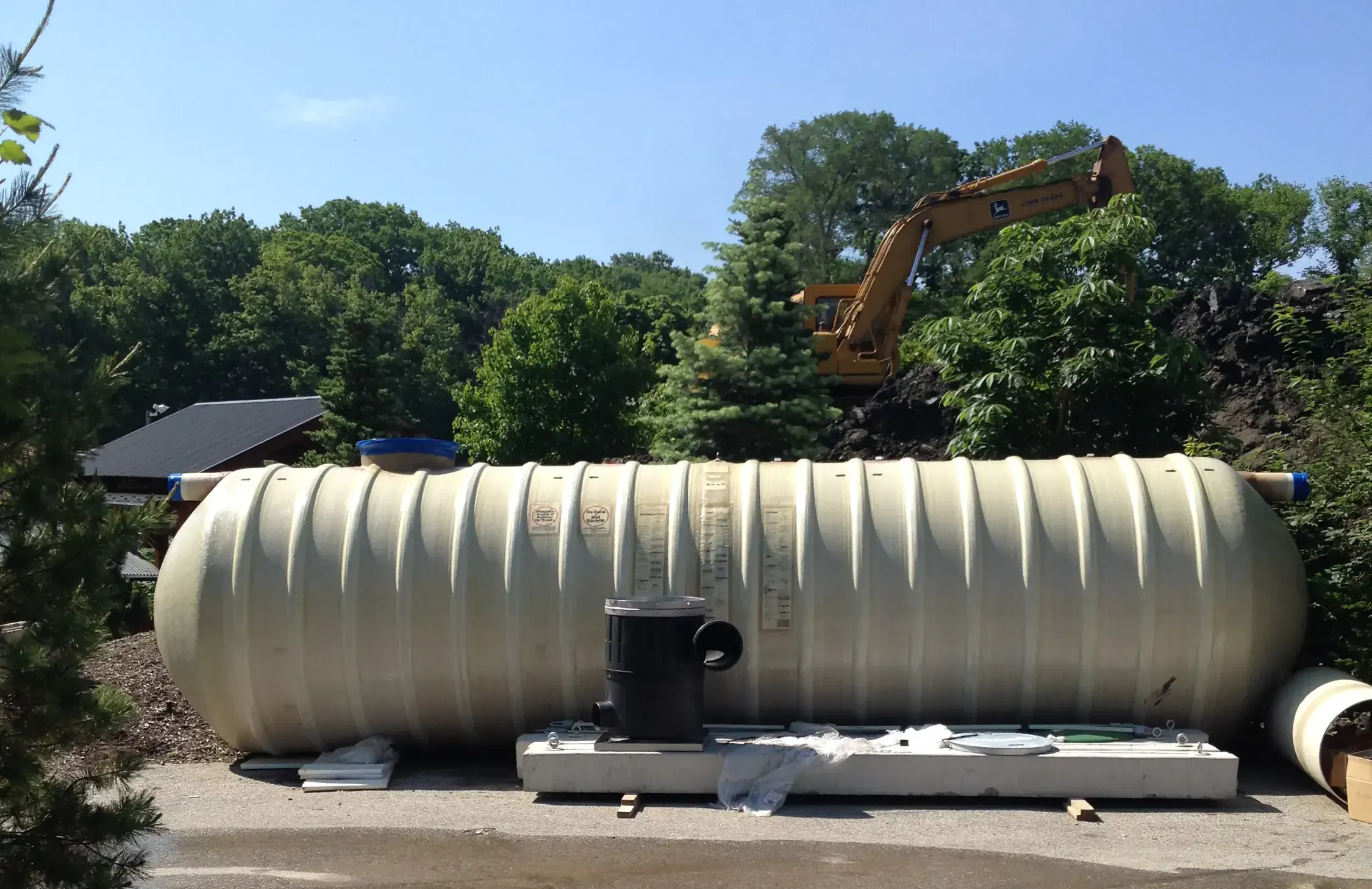
The Cleveland Metro Parks Zoo collects rainwater using WISY Vortex Filters and is stored in a belowground 10,000-gallon FRP tank. The water is pumped through the RMS Treatment train before entering the irrigation system. The use of rainwater has dramatically reduced the cost and gallons of municipal water thus saving water and reducing costs.
ResidenceFranklin County, Virginia
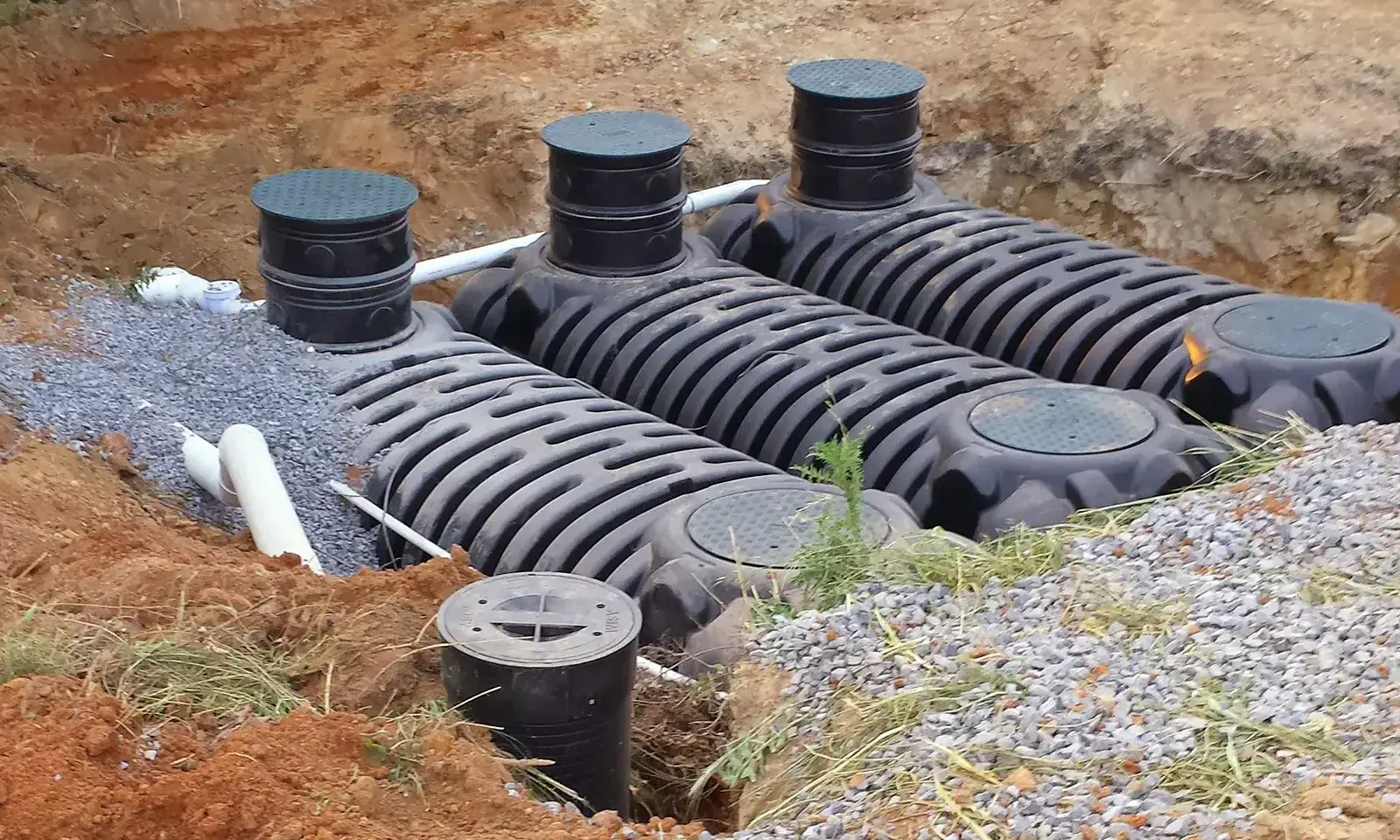
Three 1,500-gallon belowground storage tanks providing 4,500 gallons of storage are used alongside the Wisy WFF150 Vortex Fine Filter for pre-filtering the collected rainwater and preserving the water quality inside the tanks. A submersible 1 HP pump with a floating suction intake is used to irrigate the landscape.
This system reduces onsite runoff and protects the nearby lake, and provides irrigation to the landscape without using municipal or well water.
ResidenceGlasgow, Virginia
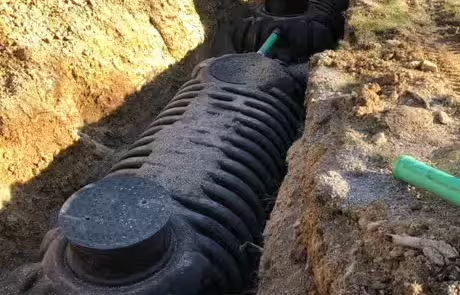
When the well at a Glasgow, Virginia residence became contaminated, the homeowners had to adopt a new water supply solution. RMS designed and installed a complete rainwater harvesting system including all necessary elements for prefiltration, storage, and post-tank treatment. Rainwater is captured from the rooftops of the house and adjacent barn and prefiltered by one buried WISY WFF 150 Vortex Filter. The storage system consists of three, 1,500-gallon below-ground Roth tanks joined using equalization lines. Treatment to potable levels is achieved using a Big Blue filter unit with 20” sediment and carbon filters, followed by an 8 GPM UV light.
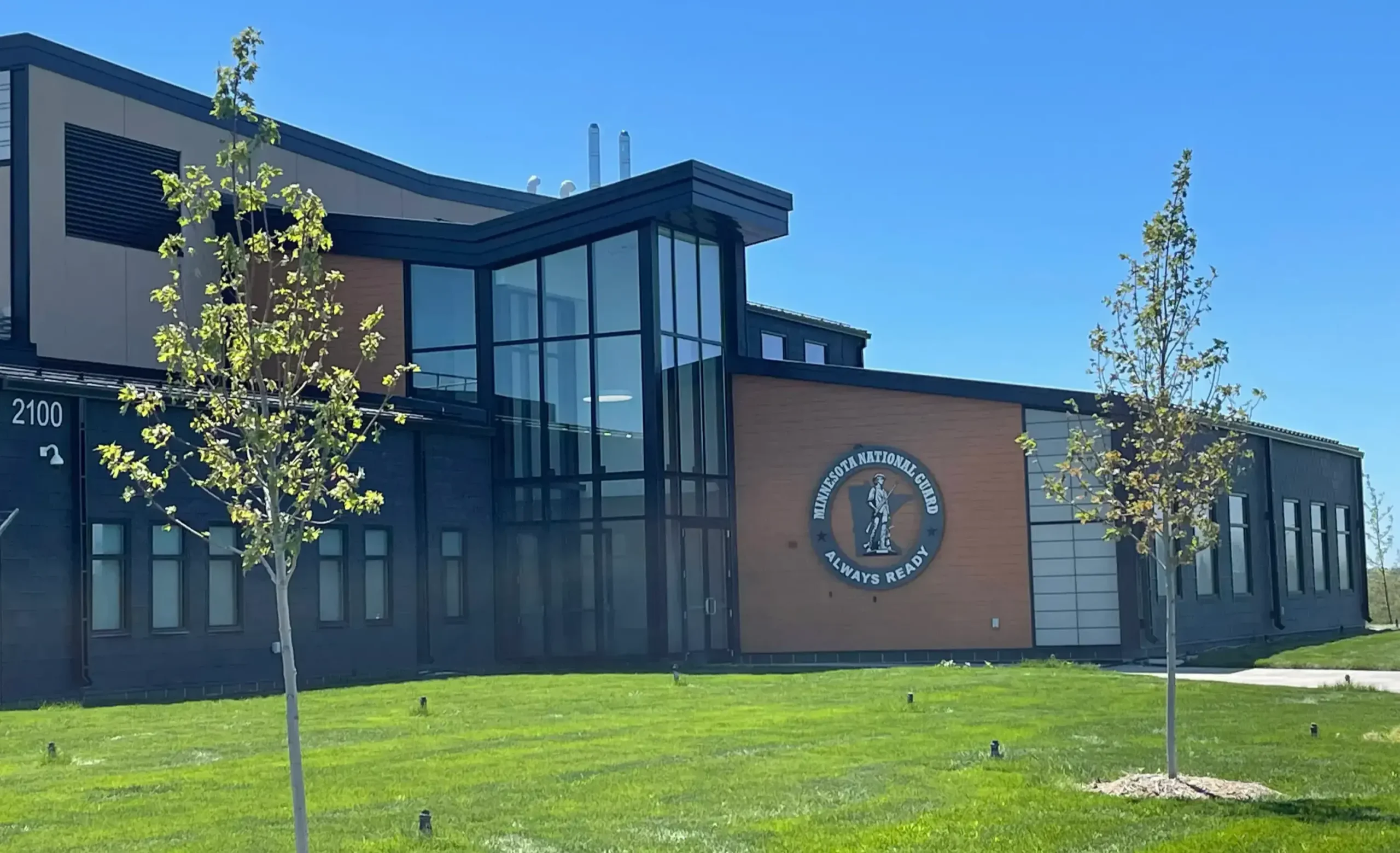
Minnesota National GuardNew Ulm, Minnesota
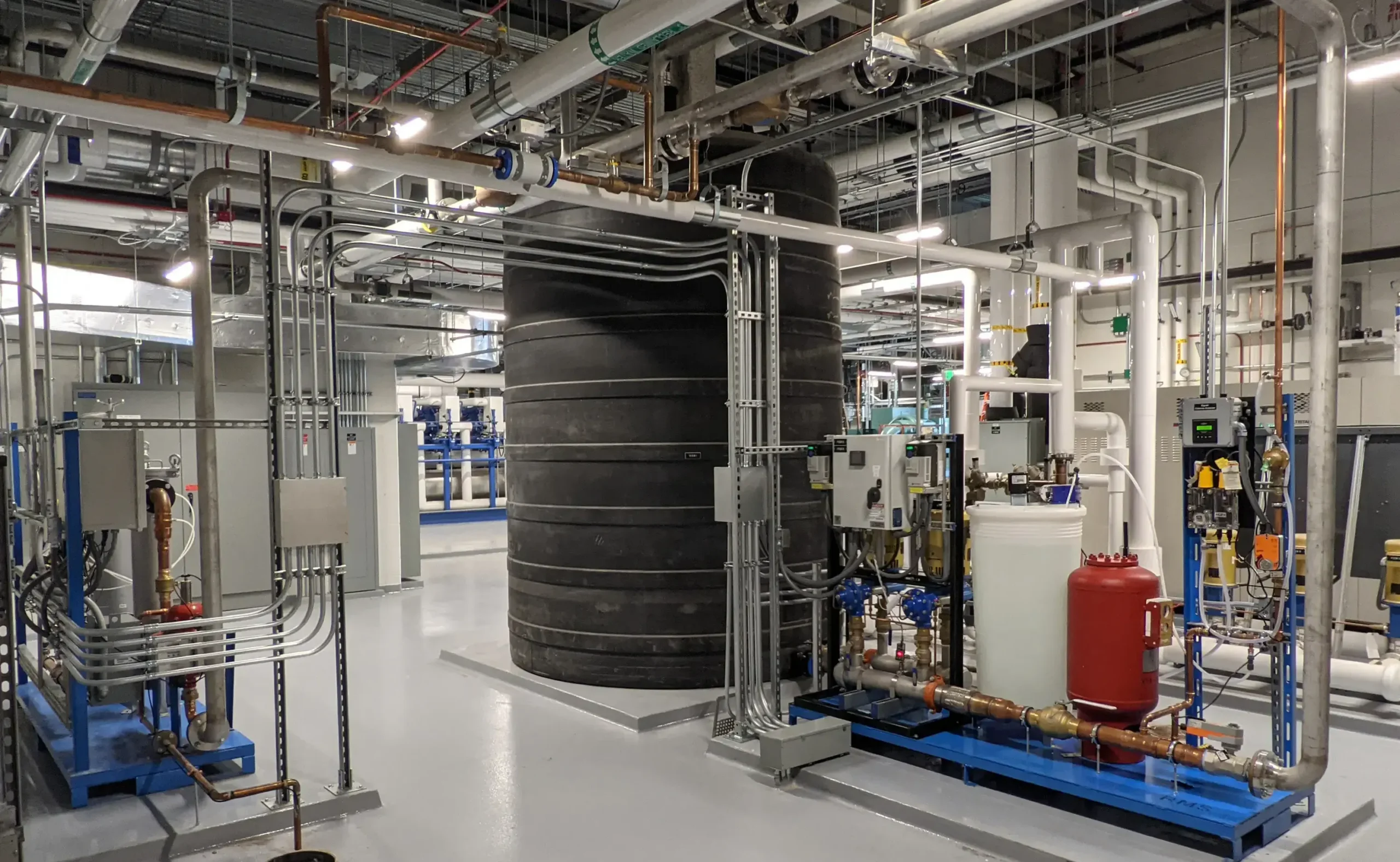
The system is designed to operate year-round and utilizes a WISY WFF-300 Vortex filter prior to the 10-foot diameter 20,000-gallon fiberglass storage tank. Elevations required that the tank be reinforced and placed with 8’ risers. RMS recommended adding aeration as additional treatment and to assist with freeze control. Water is sent with submersible pumps through a 25-GPM standard RMS treatment system with a backlushing filter, sediment filter, carbon filter and ultra-violet light direct to the vehicle wash and distribution system. When rainwater is not present, the system is backed up by municipal water with a motorized valve and RPZ assembly.
Promega Kepler CenterFitchburg, Wisconsin
The Promega Kepler Center utilizes the onsite stormwater pond for reuse applications for outdoor irrigation, toilets and urinals and cooling tower makeup water (the largest demand). A suction booster pump was designed with an RMS Water Dog intake that includes a backflushing water intake line. Water is transferred indoors through a treatment system with sediment bag filters, ultraviolet treatment and into a 5,000-gallon day tank. A chlorine injection system is recirculated in the day tank to adhere to the Wisconsin plumbing code requirements. Last, a booster pump system feeds water to the end uses. Water is used seasonally when the water demands are highest and shut down in the winter.
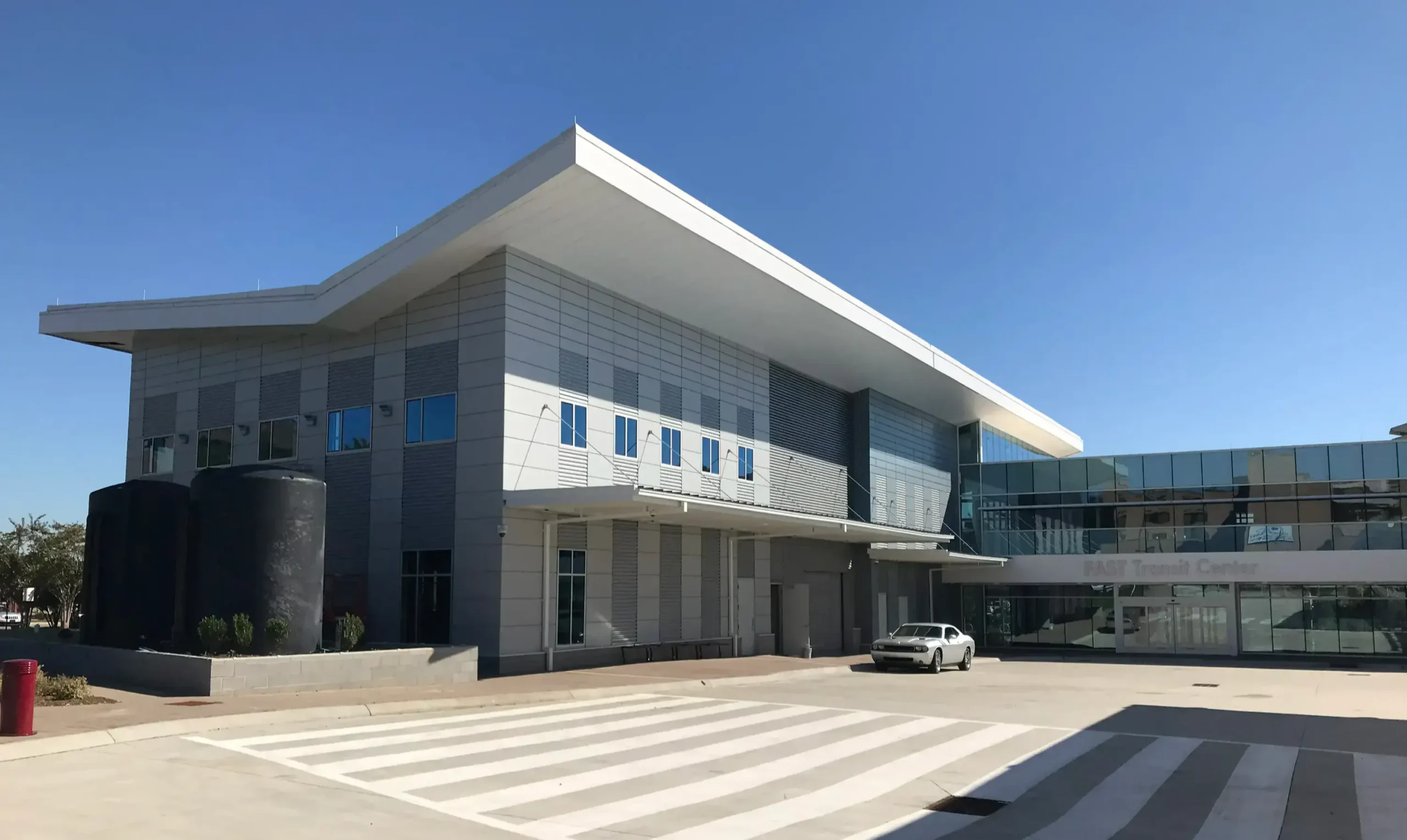
Fast MultiModal Transport Center Fayetteville, North Carolina
This light commercial system uses a WFF150 Vortex Filter to prefilter the rainwater before being stored in two 5,000-gallon aboveground polyethylene tanks. The water is filtered again with an 80-micron screen and pumped to the irrigation system.
Hooper Corporation Headquarters DeForest, Wisconsin
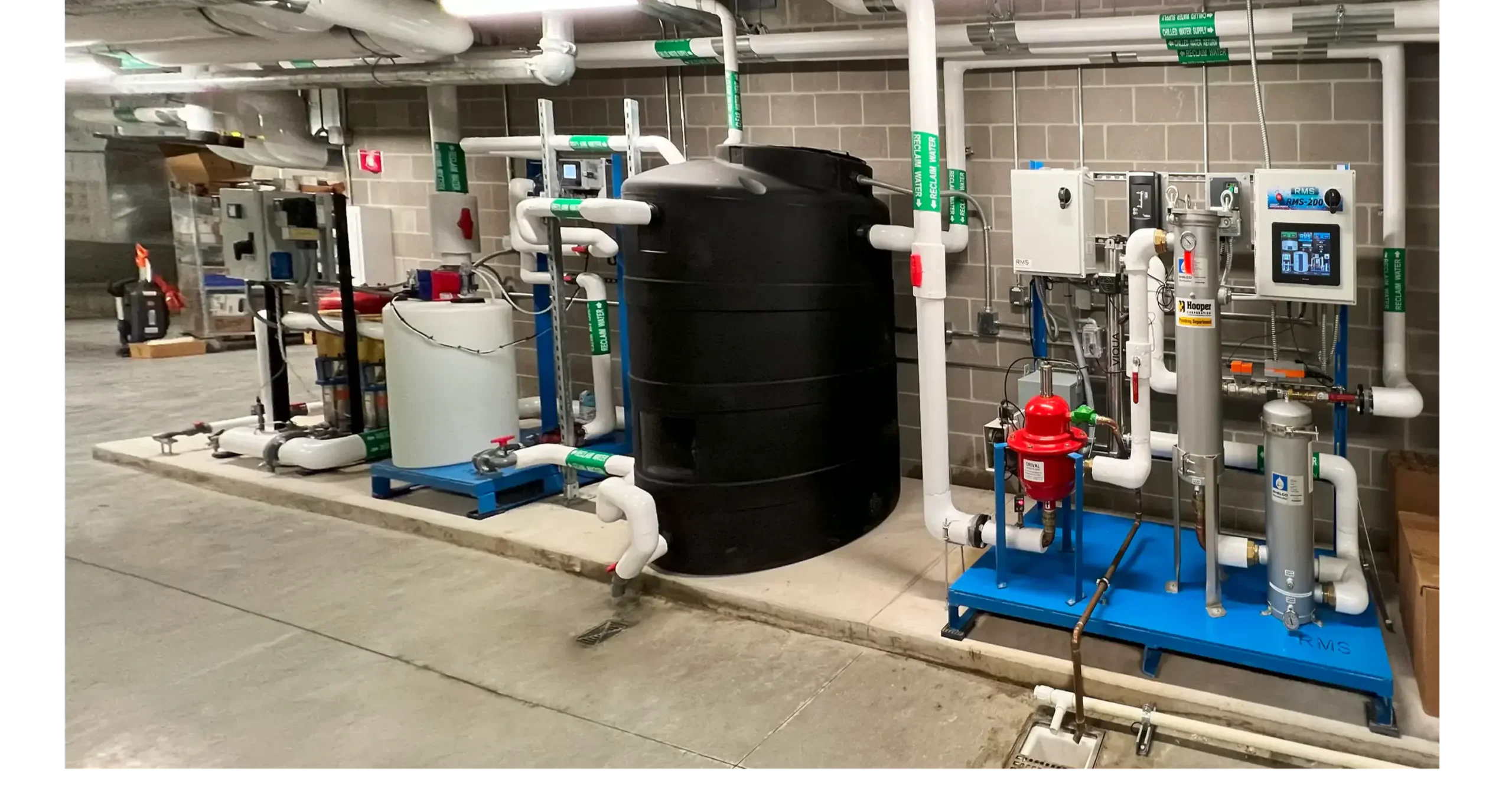
Water is captured from the roof and processed with a below grade WFF300 filter and stored in a below ground concrete cistern. Water is transferred with a submersible pump through an RMS treatment skid and stored in a 1000-gallon day tank that is injected and recirculated with chlorine. Water is utilized to flush toilets and urinals in the facility. The rainwater system also serves to educate the installing plumbers at Hooper.
ResidenceNew Braunfels, Texas
Rainwater is harvested from 1,166 square feet of catchment area and it is used for potable household applications as well as outdoor irrigation. Incoming water is prefiltered by one buried WISY WFF 150 Vortex Filter before entering the 5,000-gallon tank system. Two 2,500-gallon Norwesco below ground tanks were buried adjacent to the in-ground pool, connected with an equalization line, and seamlessly covered with a walled stone garden. All that is visible above grade after completion of the project is the top of the vortex filter for easy access to the interior filter component.
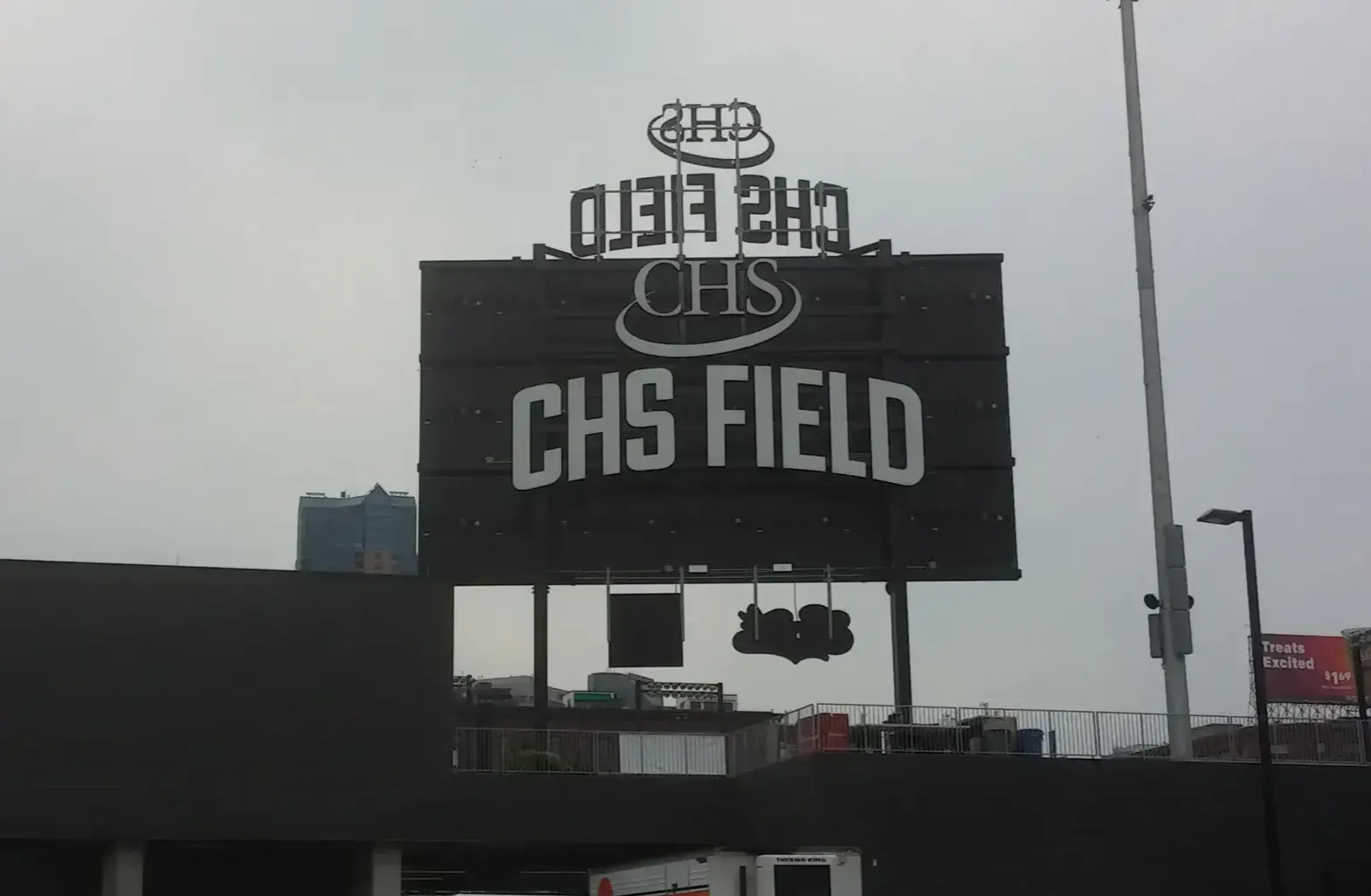
Lowertown Ballpark - CHS Field St. Paul, Minnesota
Located in St. Paul, Minnesota, the Lowertown Ballpark – CHS Field reduces potable water use by collecting rainwater and stormwater. 33,770 square feet of roof is used to capture the rainwater with the use of vortex filters. The rainwater is then conveyed to a 27,000-gallon cistern and is reused for irrgation and toilet flushing. An estimated 450,000 gallons of potable water is saved with this system annually.
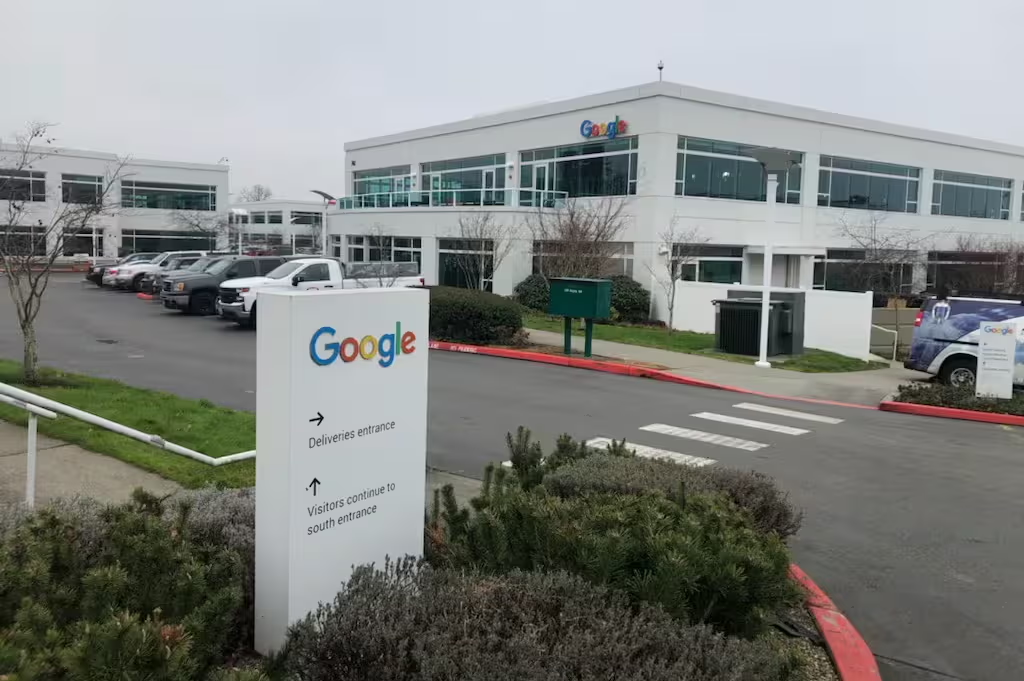
SRMKCCA Google Office Building Kirkland, Washington
SRMKCCA Google Office Building collects rainwater from the roofs using two WFF300 Vortex Filters to ensure high-quality water in the cisterns. The water is then filtered down to 5 microns before entering an ultraviolet light for disinfection. The water is reused inside the buildings for toilet and urinal flushing.
Elevate at SW Station Apartments Eden Prairie, Minnesota
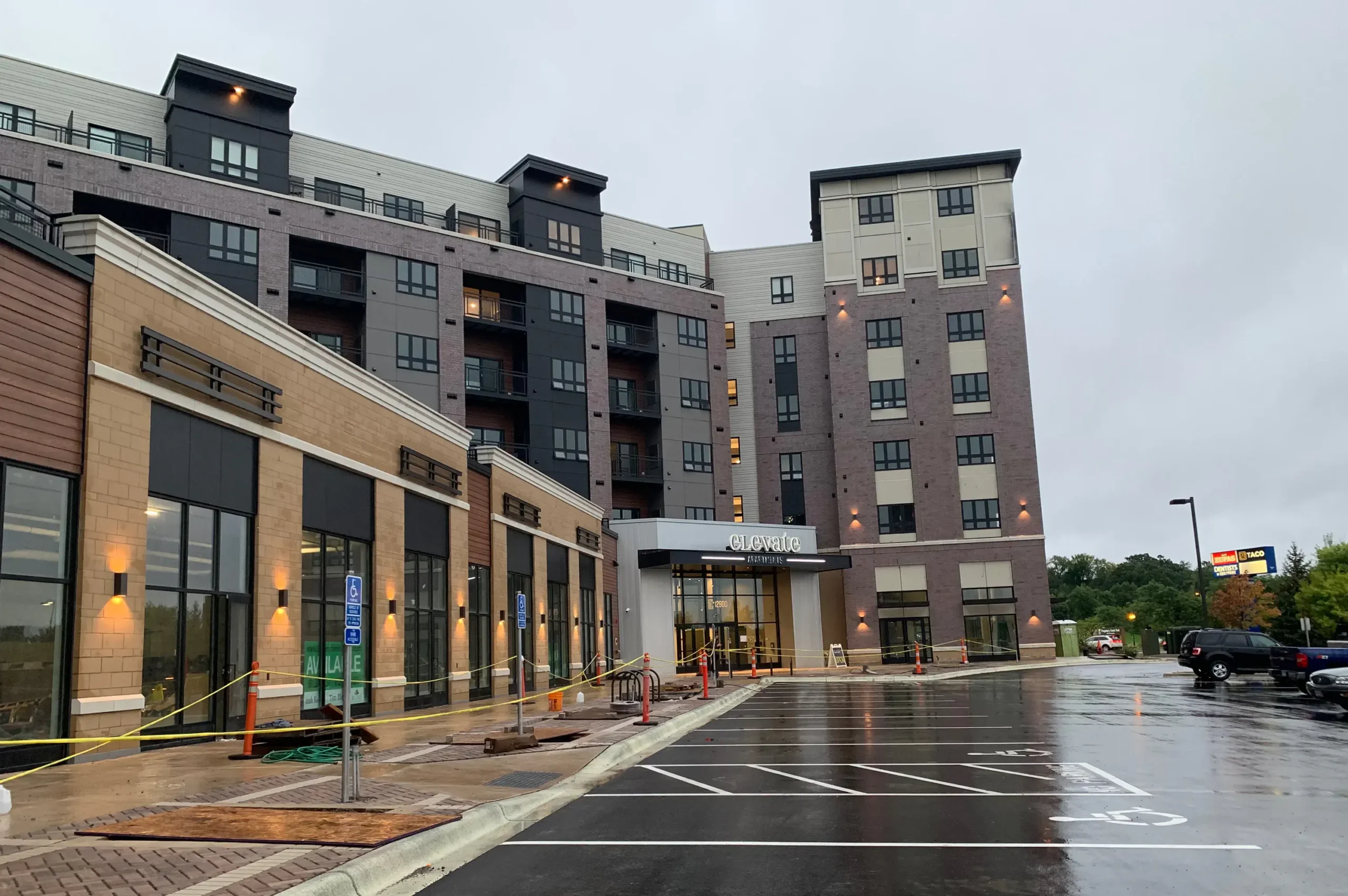
Elevate Apartments collect rainwater using a WFF300 prefilter to ensure a high quality of water is initially obtained. The water is conveyed to two 2,500-gallon tanks located in the basement. The water is filtered and reused for surrounding irrigation.
Climate Pledge ArenaSeattle, Washington
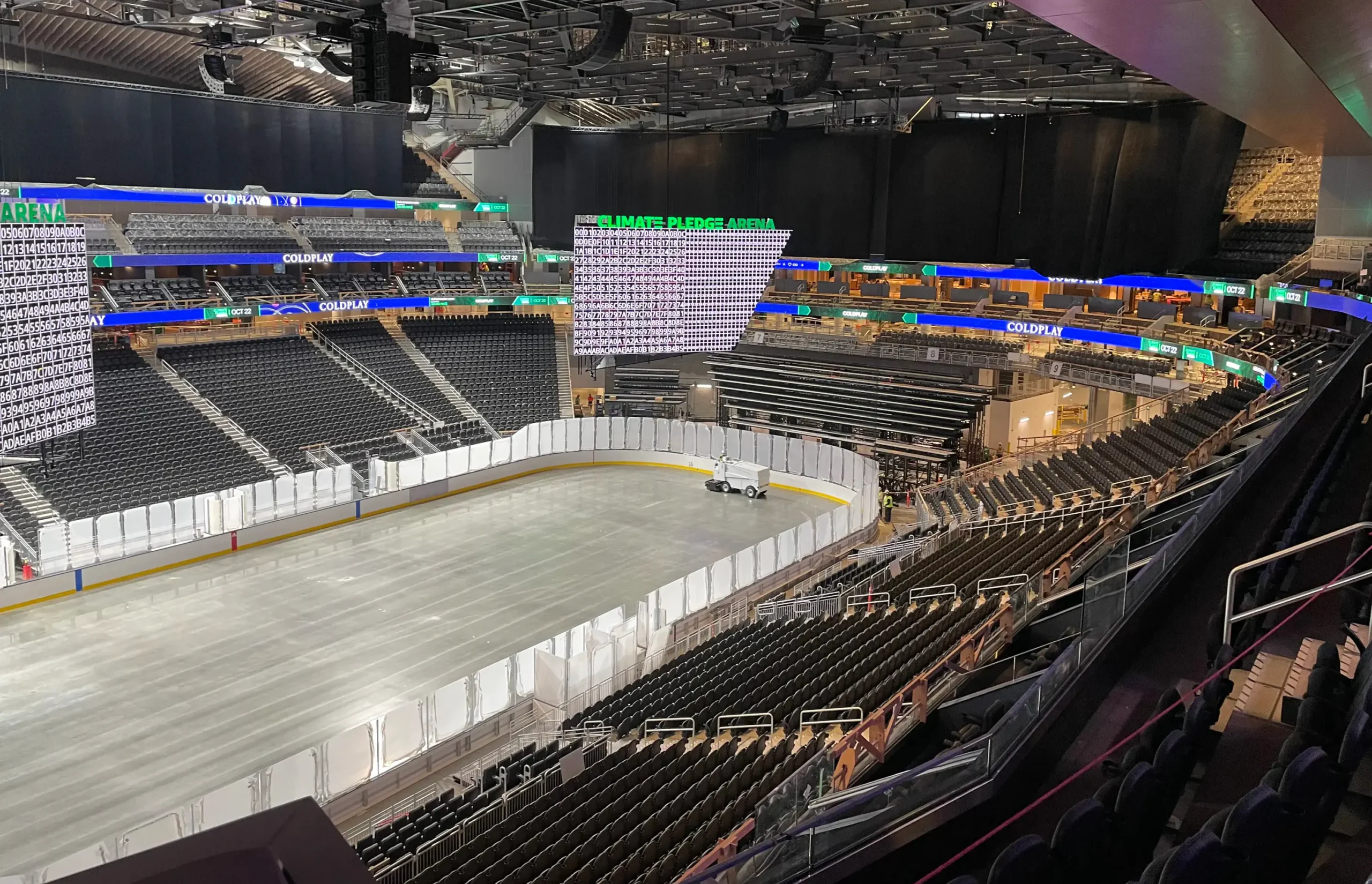
Home to the Seattle Krakens, the Climate Pledge Arena does that exactly, incites a call to action on climate change. Rainwater is collected from 40,000 square feet of roof and conveyed into a 15,000-gallon fiberglass below ground tank. The water is used to create ice, toilet flushing, and irrigation around the arena.
Seagate Media Research Center Fremont, California
Seagate the facility has more than 62,000 square feet of roof area from which rainwater can be collected. The collected rainwater is used for toilet and urinal flushing, scrubber makeup, and cooling tower makeup to offset the municipal water. The rainwater collected from the roof is pre-filtered by two WISY WFF300 Vortex Filters and then flows into one of two 29,700-gallon storage tanks . Click here for the Case Study published in the American Society of Plumbing Engineers (ASPE) journal.
The Bullitt CenterSeattle, Washington
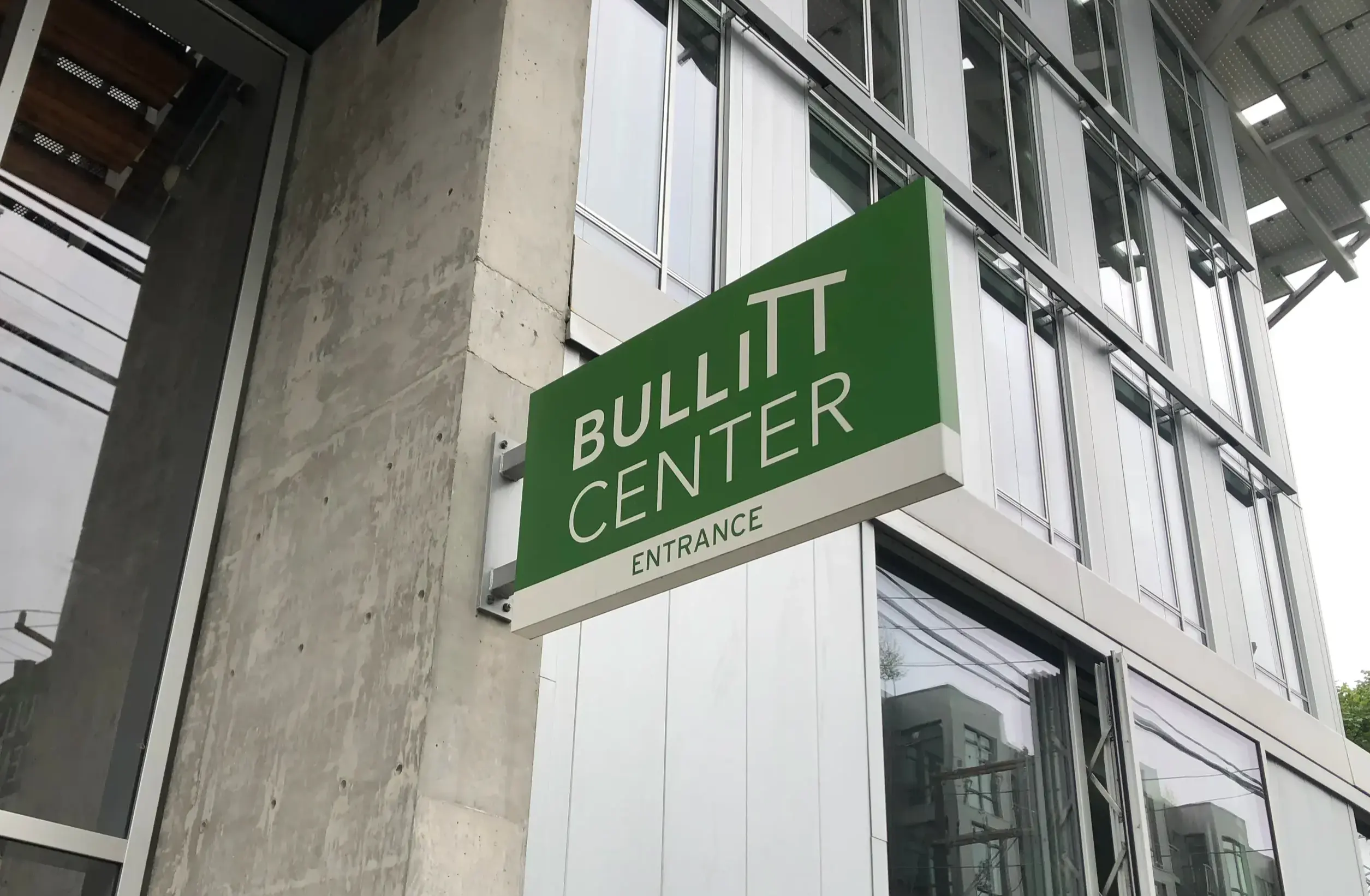
The Bullitt Center, located in Seattle, Washington, collects and reuses graywater. Water is collected from showers and hand sinks, filtered and disinfected, then reused for irrigation. This system was designed to treat up to 1,000 gallons per day, thus reducing potable water use for non-potable applications.
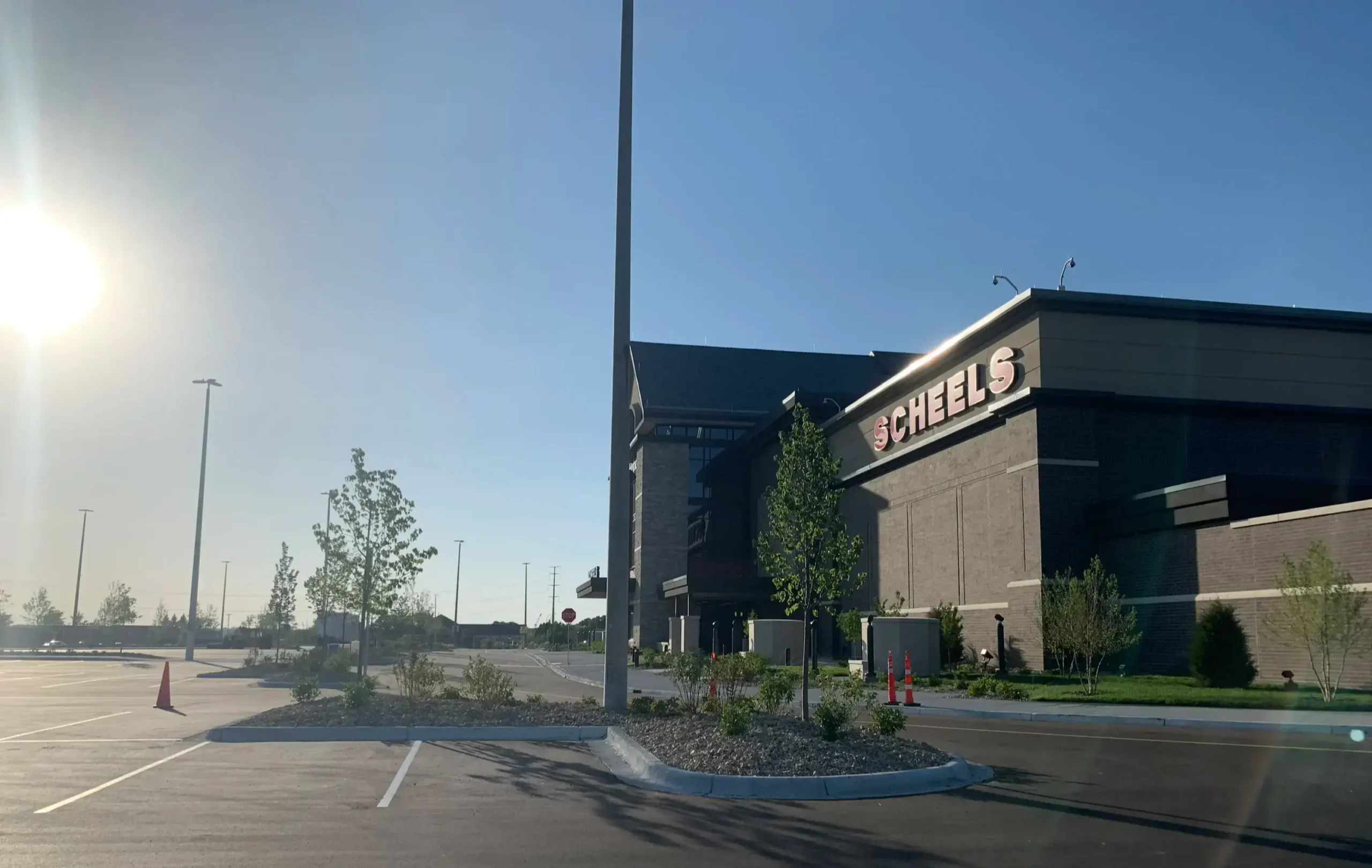
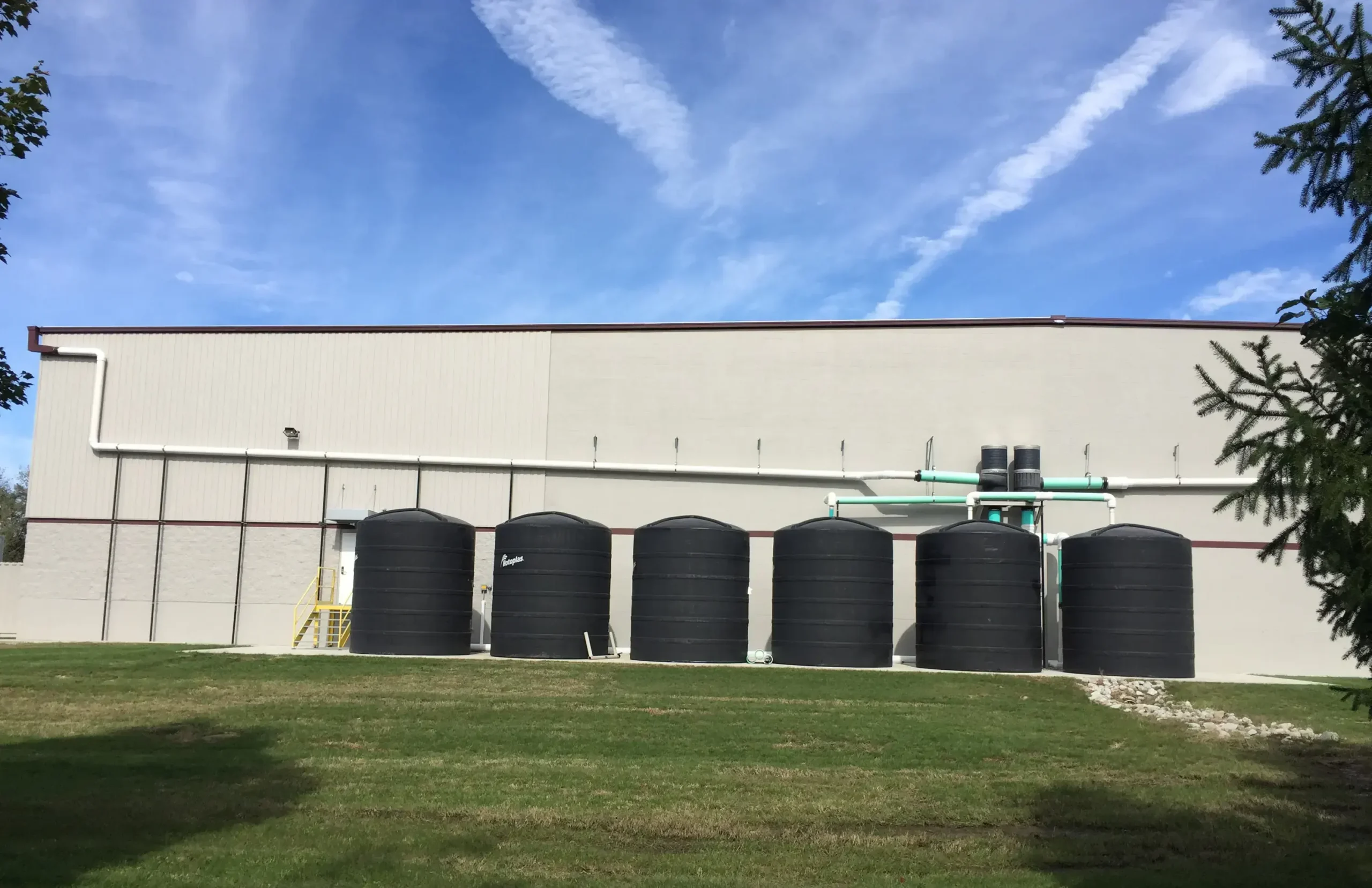
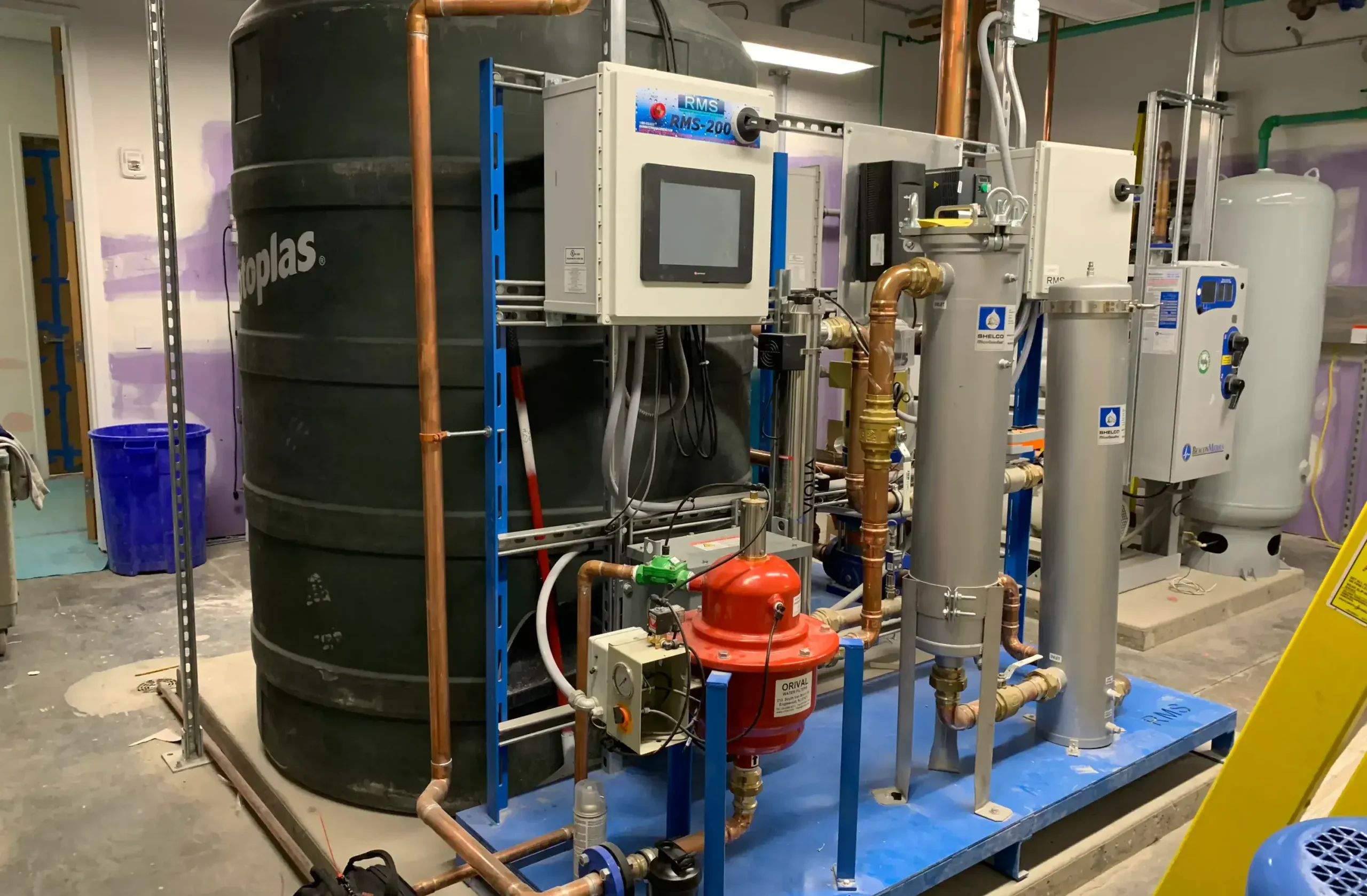
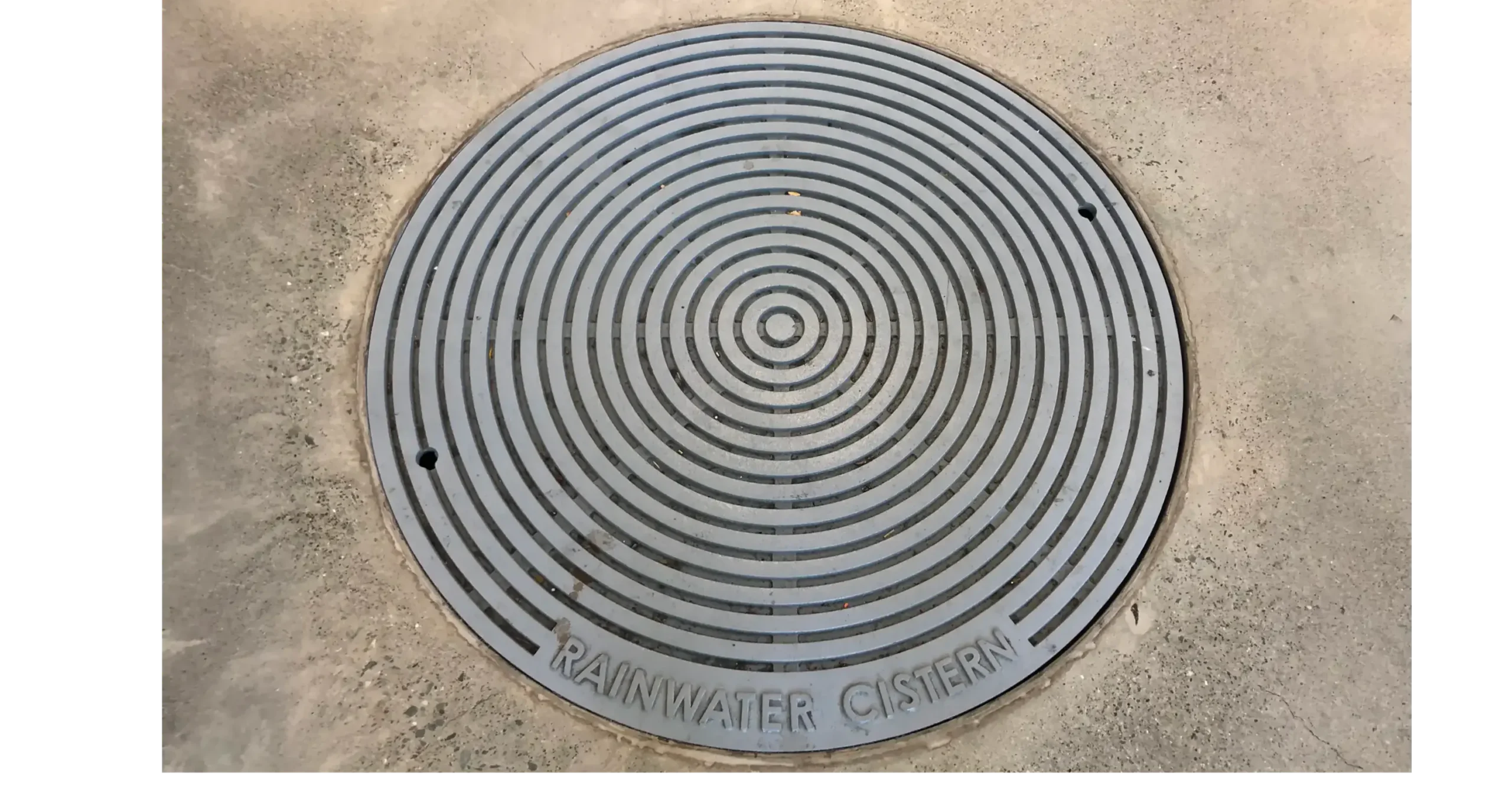
Scheels Eden Prairie CenterEden Prairie, Minnesota
The rainwater harvesting system for the Eden Prairie Center was designed according to ARCSA/ASPE/ANSI Standard 63. Rainwater is collected from a 130,680 square foot rooftop and stored in four below ground storage tanks with a combined capacity of 52,000 gallons. The collected water is reused for toilet flushing and irrigation. It is estimated to save 405,840 gallons per year for toilet flushing alone and up to 1.2 million gallons per year in irrigation demand.
SerVaas Laboratories, Inc. Indianapolis, Indiana
The rainwater harvesting system for SerVaas laboraties uses a total of three WFF300 Vortex Filters. The water is used as process water for creating cleaners. Rainwater represents approximately 43% of the water used and has saved 1,552,200 gallons of municipal water in the sytem’s lifetime thus far.
UC Berkeley University Haas CenterBerkeley, California
The Haas Business Center at UC Berkeley uses rainwater collected from a 20,000 sq. ft. roof for toilet flushing and irrigation. Rainwater is prefiltered using a WFF300 Vortex Filter, then pumped through an RMS Treatment Skid before being stored in a day tank.
Muhlenberg College Parkway Community BuildingAllentown, Pennsylvania
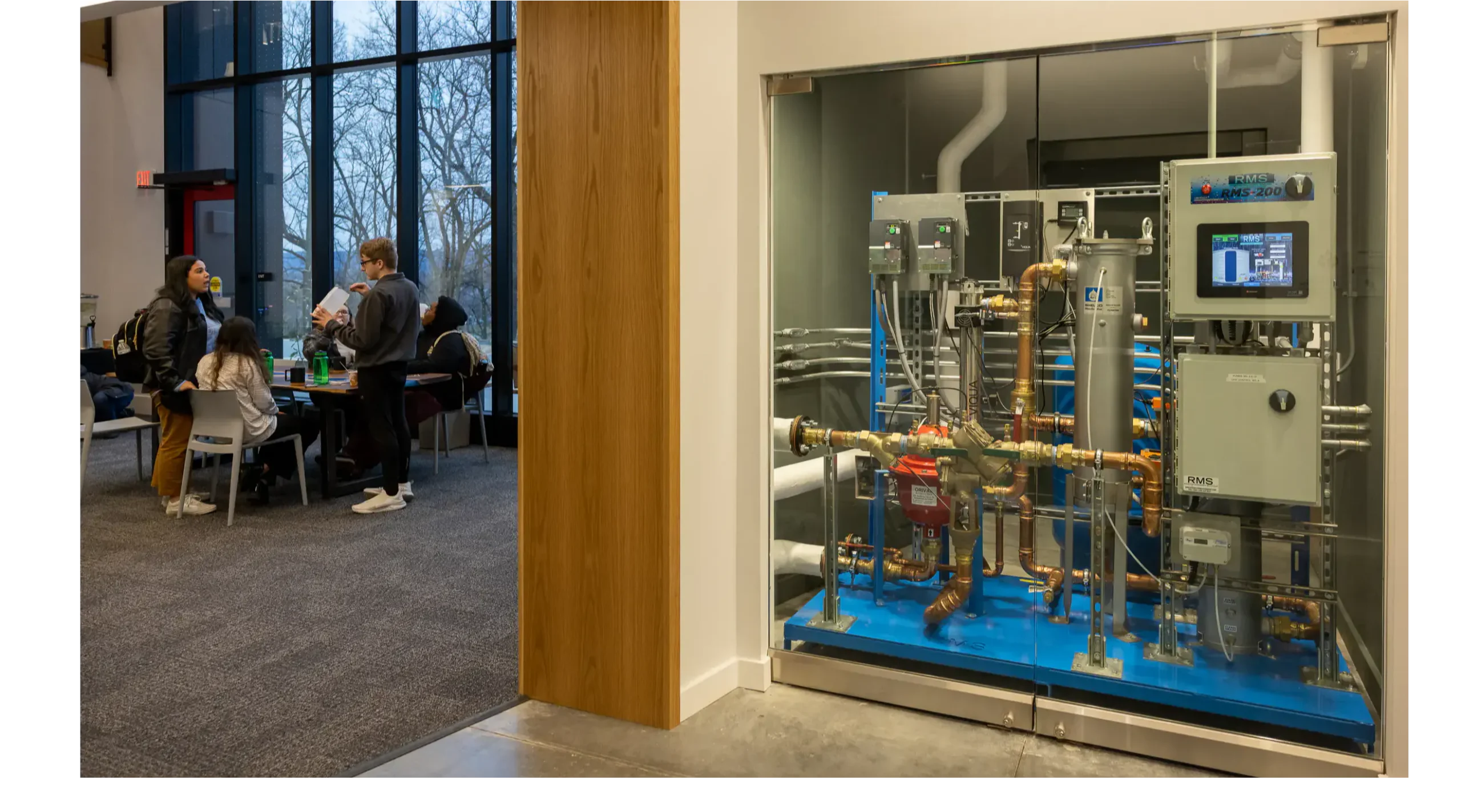
The Parkway Community Building at Muhlenberg College proudly displays their rainwater collection and reuse system. The RMS Treatment Skid is behind glass doors showcasing their dedication to sustainability and water conservation. This system utilizes two WFF150 Vortex Filters and submersible pumps that pump water through the treatment skid and to the building’s toilets and urinals.
Carnegy Mellon University Tepper QuadPittsburgh, Pennsylvania
CMU Tepper Quad system includes three WFF300’s and one WFF150 for prefiltration. The Water is pumped, treated, then stored in a 5,000-gallon polyethylene day tank. As demand is met using a duplex booster pump, chlorine is injected to ensure a residential is present for disinfection. This system is used to decrease the amount of municipal water used for cooling tower makeup and water closets.
Federal Way Public School Federal Way, Washington
The goal of this system was to reduce the overall use of the municipal water for nonpotable uses and reduce stormwater runoff. This was accomplished by utilizing eight 1,400 gallon corrugated metal cisterns, eight WFF150 Vortex Filters. The collected rainwater is used to wash cars and trucks.
Why Choose RMS?
Rainwater Management Solutions (RMS) is a trusted leader in commercial, residential, industrial, and agricultural water management solutions. We are more than a supplier—we are a complete system integrator and professional services partner, delivering turnkey rainwater and stormwater management systems tailored to each project’s unique requirements.
100+ Years of Combined Experience
Our team specializes exclusively in rainwater harvesting, stormwater management, and graywater reuse, providing expert guidance from system design and tank sizing to equipment selection and installation support.
Experts in Rainwater/Stormwater Management
RMS offers everything you need in one place, including storage tanks, pre-filtration systems, pumps, treatment equipment, design packages, and consulting services. Whether you're building a multi-family condominium or a large-scale industrial processing project, we provide a seamless solution from start to finish.
Additional Company Differentiator
We utilize proven technologies such as the WISY 4-Step Process, designed to improve water quality, minimize maintenance, reduce particulate buildup, and extend the life of system components. RMS partners with industry-leading manufacturers to deliver reliable, long-lasting performance.