Factors Influencing Equipment Selection for Commercial Rainwater Harvesting Systems
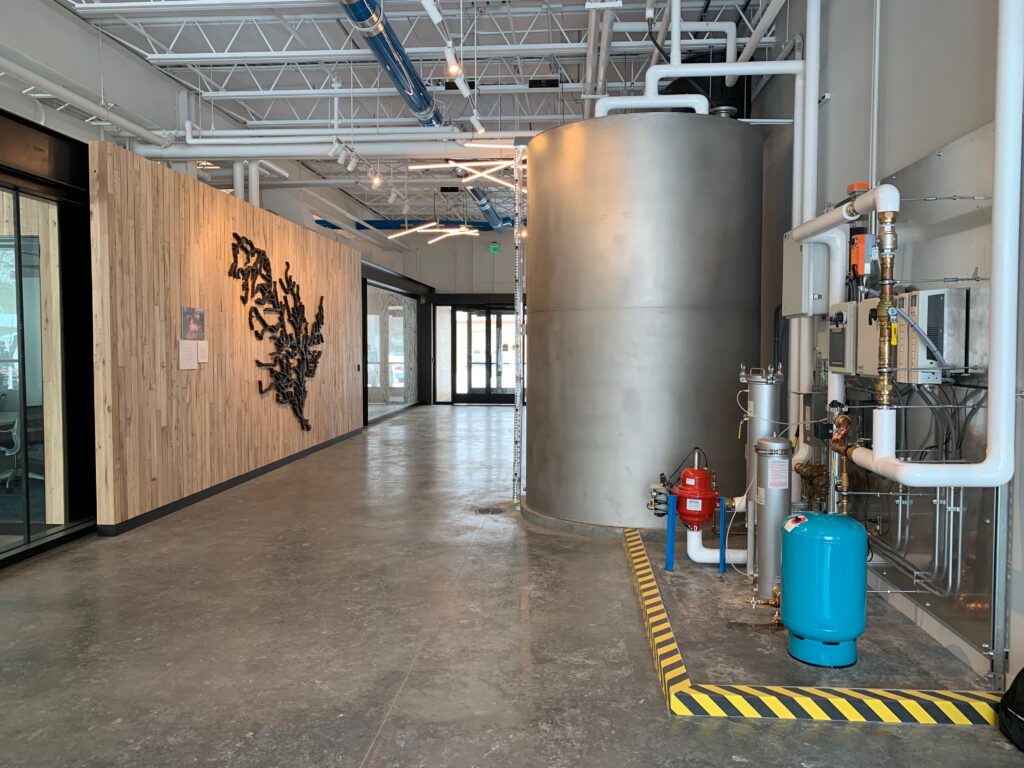
Designing a commercial rainwater harvesting system requires a methodical evaluation of site conditions, performance requirements, regulatory obligations, and long‑term operational needs. Proper equipment selection ensures system reliability, efficient water delivery, consistent water quality, and seamless integration with building infrastructure. The following sections outline the primary considerations in choosing pumps, filtration technologies, storage vessels, controls, and auxiliary system components for large-scale installations.
Source Water Characteristics & Collection Conditions
Roof and Surface Material
The type of roof or collection surface affects sediment load, potential contaminants, and pretreatment needs. Metal roofs, for example, introduce fewer particulates than membrane roofs, while vegetated roofs often require more robust filtration.
Rainfall Patterns and Catchment Yield
Local rainfall intensity, duration, and seasonal variations dictate required tank sizing, pump flow capacity, and backup water strategies. High‑variability climates often demand larger storage volumes or additional treatment to maintain supply continuity.
Debris and Organic Load
Sites with heavy leaf fall, dust, or air pollution require enhanced pre-filtration to prevent premature clogging of downstream components. Floating filters, vortex filters, and inlet screens are selected based on expected debris profiles.
Pre‑Tank Filtration
Pre-tank filtration minimizes organic matter entering storage. Common solutions include:
- Mechanical pre-filters (stainless-steel mesh, vortex filters)
- Smoothing inlet devices
- First-flush diverters
These selections directly affect tank health, biofilm formation, and long-term maintenance.
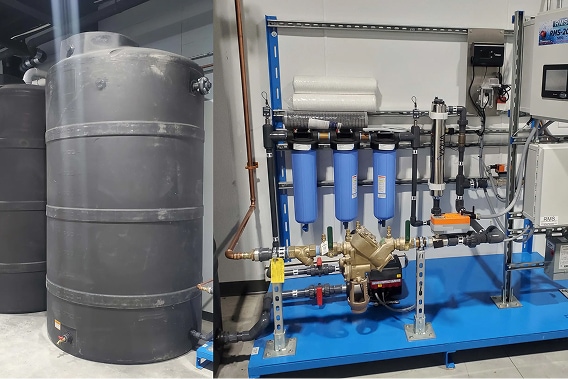
Storage Requirements Cistern Configuration
System Hydraulic Requirements
System Pressure & Flow
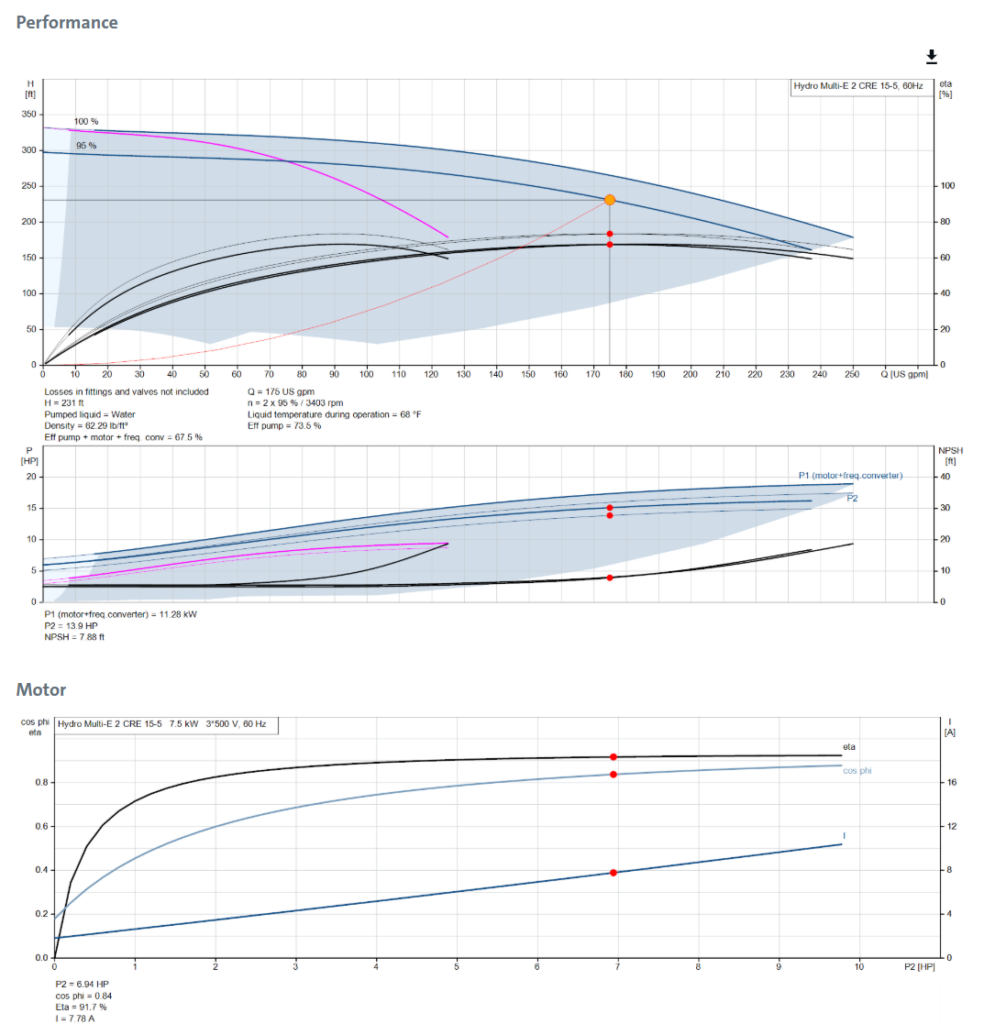
Commercial buildings frequently require steady, high-pressure delivery. Pump selection must reflect:
- Peak demand flow rate
- Static lift and dynamic head
- Required pump redundancy
- Compatibility with Variable Frequency Drives (VFDs)
- Duty-cycle expectations
Post‑Tank Treatment
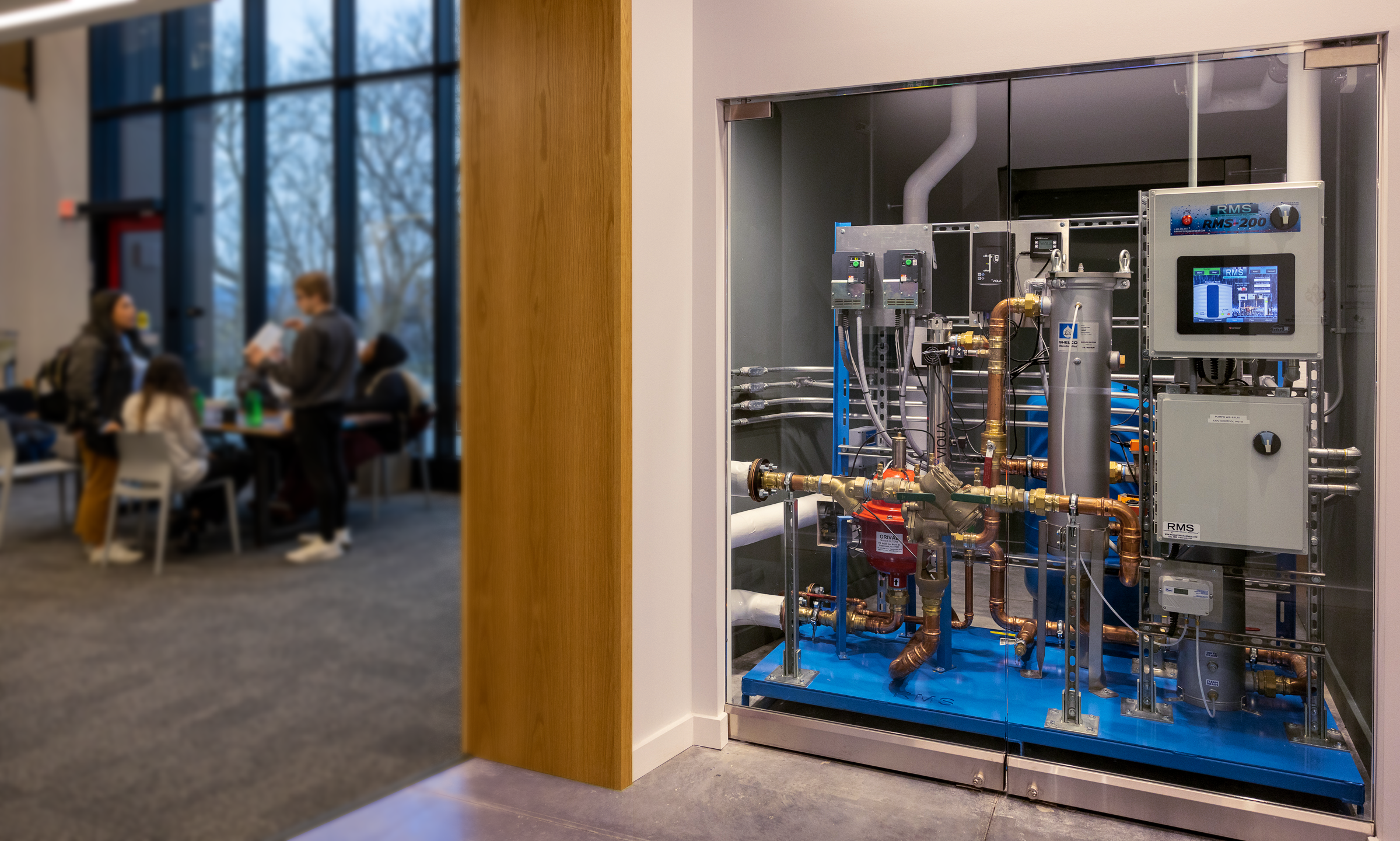
Treatment requirements depend on the end use—irrigation, cooling tower makeup, toilet flushing, or potable applications. Below are the fundamental and basic treatment train typically used for a rainwater reuse system. Depending on source water and application, this may vary.
- Sediment filtration (spin-down, cartridge, multimedia)
- Carbon filtration to reduce odor or discoloration
- UV or chlorination systems for microbial control
- Turbidity or chemical metering as needed
System designers must ensure treatment components meet water quality objectives and comply with health codes where applicable.
Contact RMS for Assistance Selecting the Right Equipment
Pumping & Distribution Systems
Pump Type Selection
Pumps are selected based on the application:
- Submersible pumps for quiet, submerged operation
- Centrifugal booster pumps for building distribution
- Multistage pumps for high-rise or high-pressure applications
VFD-based systems are preferred in commercial installations for pressure modulation, reduced energy use, and extended pump life.
Controls, Instrumentation & System Automation
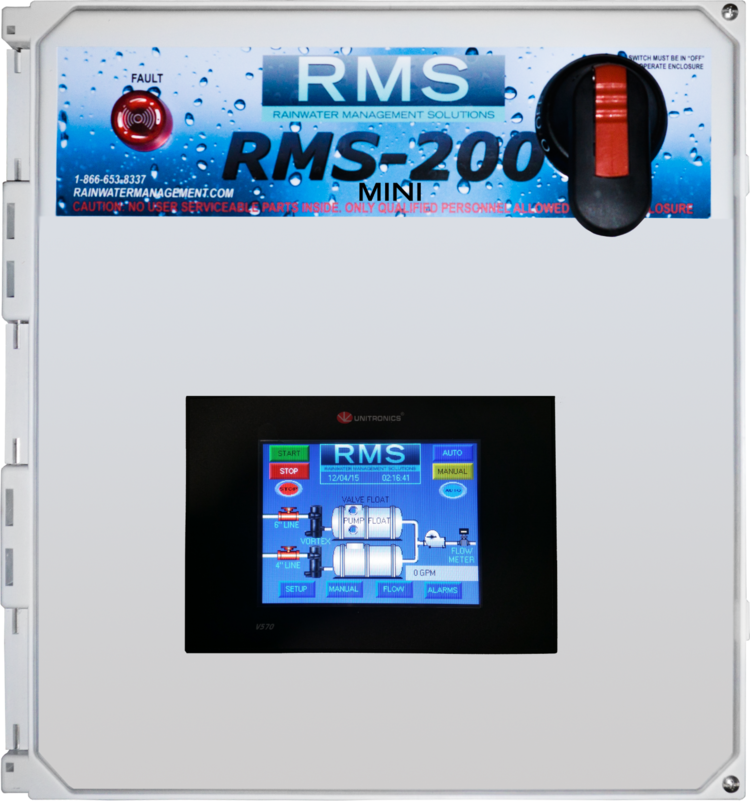
Programmable Logic Controllers (PLCs)
A robust control platform is essential for real-time system management. Controllers should support:
- Remote monitoring and BAS integration
- Level, flow, turbidity, and pressure feedback
- Automated source switching between rainwater and backup water
- Alarm handling and event logging
Touchscreen interfaces improve user accessibility and diagnostic efficiency.
Sensor & Valve Integration
Proper control depends on precise instrumentation, which may include:
- Ultrasonic or pressure-based level sensors
- Flow meters for demand tracking and compliance reporting
- Motorized valves for automated routing and isolation
- Water quality sensors for continuously monitored treatment performance
Equipment must be compatible with the control architecture and communication protocols (Modbus, BACnet, etc.).
Backup Water & Cross‑Connection Protection
Makeup Water Assemblies
Commercial systems often require seamless changeover to municipal water during extended dry periods. Makeup water systems must include:
- Proper backflow prevention
- Solenoid or motorized valve control
- Level-based automation
Regulatory Compliance
Local plumbing codes dictate backflow protection requirements, minimum disinfectant standards (for some applications), and approved materials for potable or non-potable distribution.
Site Constraints & Installation Considerations
Space Availability
Mechanical rooms, vaults, or outdoor enclosures must accommodate pumps, filtration skids, distribution manifolds, and access zones for maintenance.
Access for Maintenance
All equipment should be selected with lifecycle serviceability in mind. Cartridge filters, UV lamps, sensors, and pumps must allow straightforward replacement without system downtime.
Electrical & Structural Requirements
Pump horsepower, heater requirements for freeze protection, and control panel power needs influence electrical infrastructure planning. Tank location and mass may require structural engineering review.
Effective equipment selection for commercial rainwater harvesting systems requires a comprehensive understanding of site-specific conditions, hydraulic needs, water quality goals, and system integration requirements. By evaluating each element—storage, pumping, filtration, controls, sensors, and backup strategies—engineers and facility owners can ensure that the final system delivers reliable performance, regulatory compliance, and long-term operational efficiency.
Explore Our Resources
Explore our technical expertise through our resource library of technical files & drawings.
Learning Center
Learn more about rainwater harvesting through our blogs, articles, workshops, and more.